2025-26 Jane/Finch Centre Annual Report


The Jane/Finch Centre acknowledges that our presence in Tkaronto, on the traditional territory of the Huron-Wendat, Petun, Anishnabeg, and the Mississaugas of the Credit, is built on stolen land, shaped by injustices, colonialism, and white supremacy. As we operate in a city governed by the Dish with One Spoon Wampum Belt Covenant, we honour the First Nation, Inuit, and Métis communities who have and continue to steward these lands and waters.
We also recognize that our digital footprint extends across other Indigenous territories. Platforms like Zoom, based on the traditional lands of the Muwekma Ohlone people in San Jose, and Canva, headquartered on the lands of the Redfern Aboriginal Community in Sydney, Australia, enable our virtual connections. We remain deeply aware of the incalculable debt we owe to these communities and to those whose lands and labor make our technologies possible.
We acknowledge the historical and ongoing impact of the transatlantic slave trade on African peoples. Their forced labor has been foundational to much of our current wealth, and their descendants continue to face the effects of systemic racism and colonial legacies. We honour their resilience and the crucial work being done to combat racism and build a more just future.
In all spaces—physical and digital—we commit to decolonization, reconciliation and restorative justice, striving to ensure our actions are anti-oppressive and anti-racist. This is an ongoing process of accountability and humility.
Land Acknowledgement




A MESSAGE FROM OUR EXECUTIVE DIRECTOR AND BOARD CHAIR
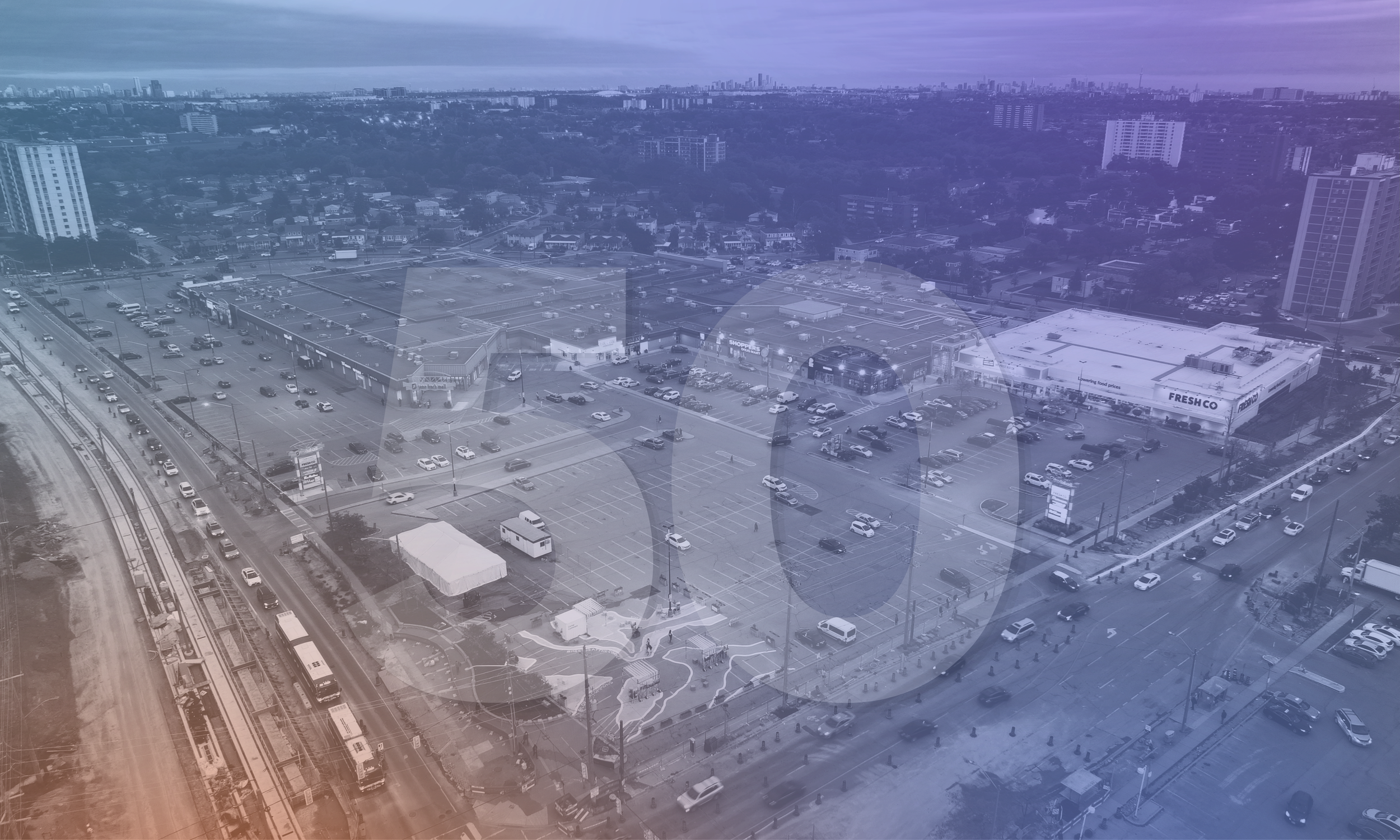
50 YEARS IN JANE-FINCH
Dear friends and neighbours
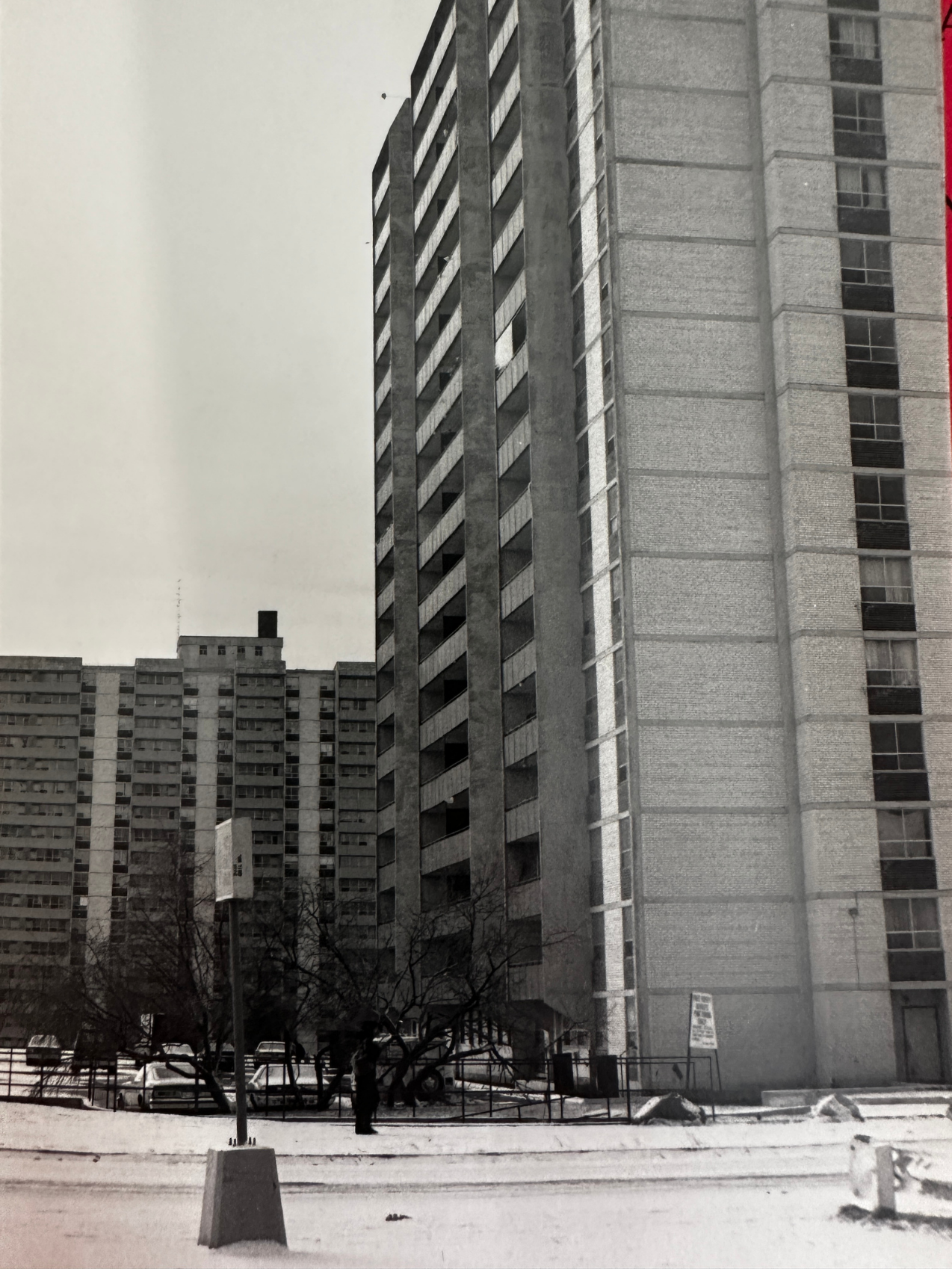
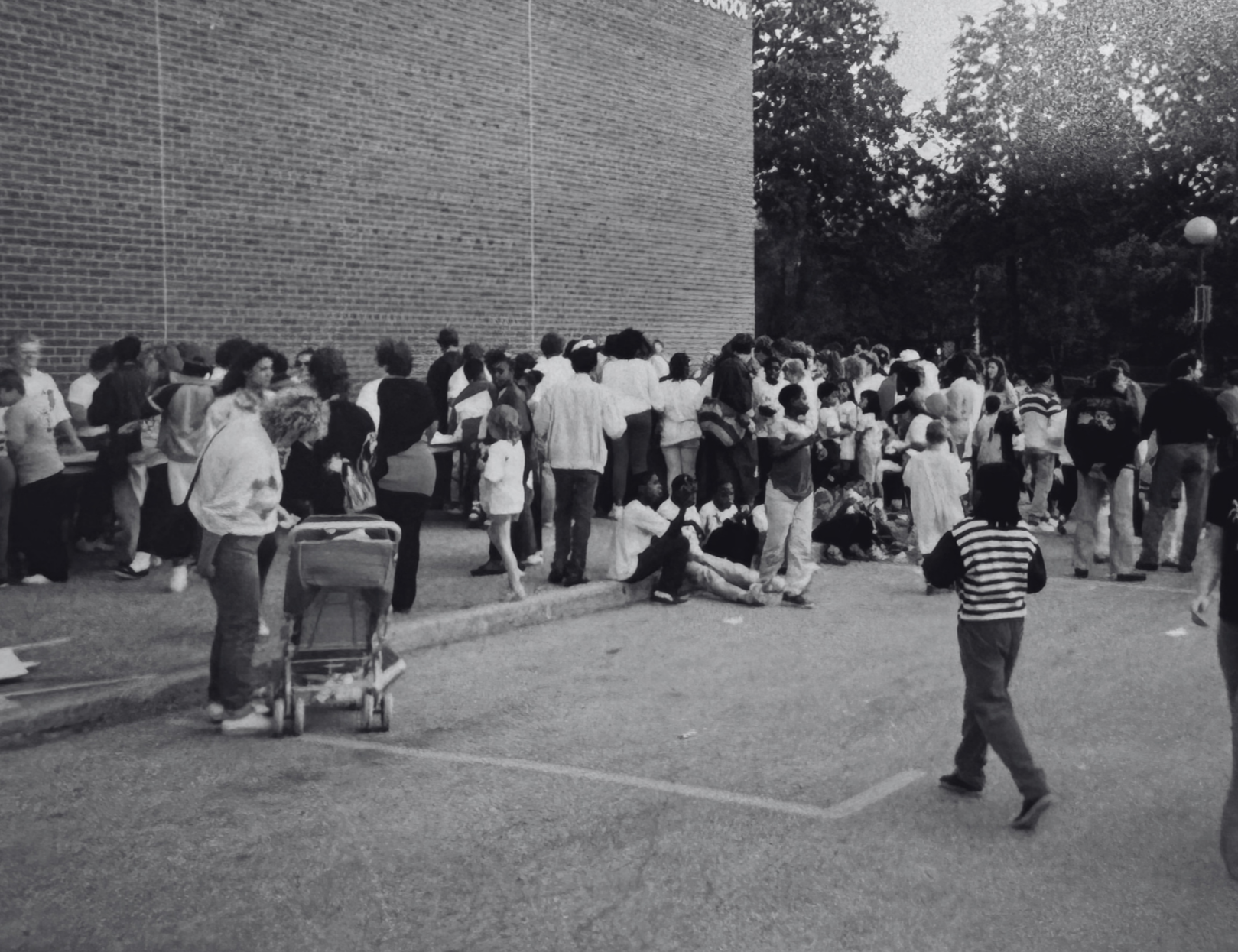
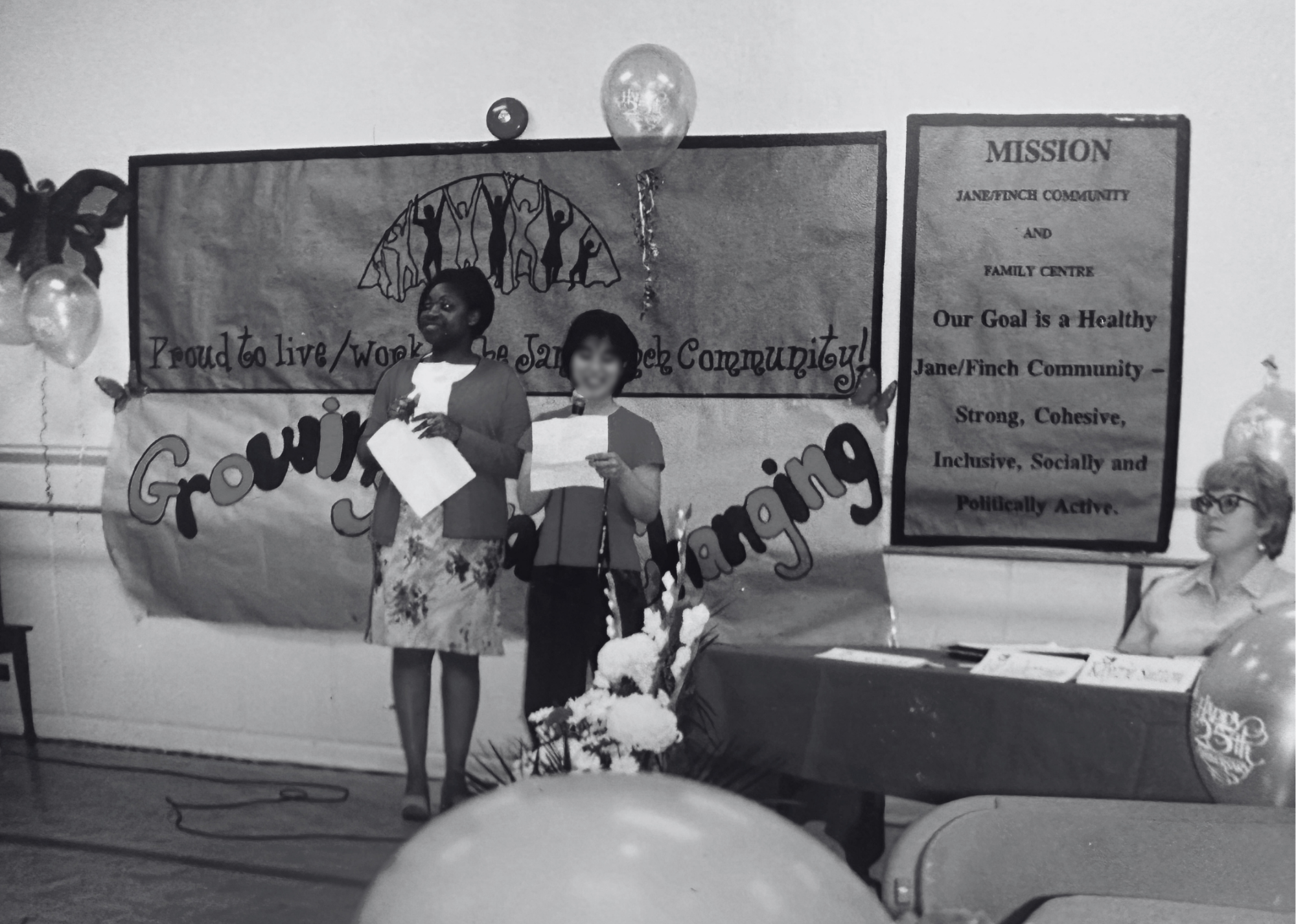
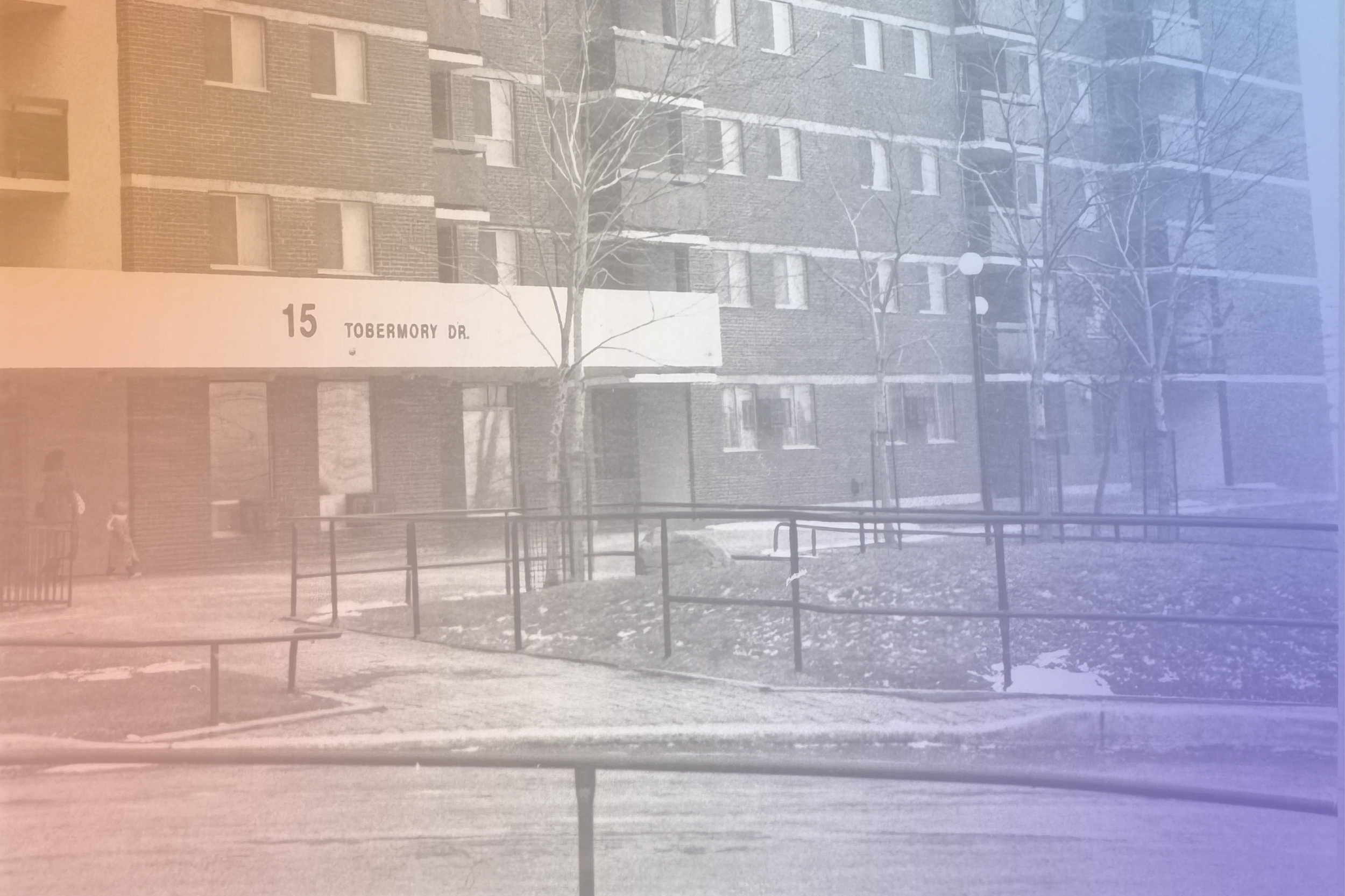
Fifty years ago, in 1976, a small group of local residents came together and formed the Downsview Weston Action Community (DWAC). They spent their time talking with neighbours and going door to door to better understand what people in the community needed, and where the gaps in local services were. Those conversations led to the creation of what would become the Jane/Finch Community and Family Centre.
Fifty years later, our purpose hasn't changed: to support community-based efforts that identify and respond to the needs of residents in Jane-Finch. 2026 marks the start of our 50th anniversary, and it's a testament to two things at once: our ability to keep evolving alongside the systemic challenges our community continues to face, and the trust our neighbours have placed in us, year after year.
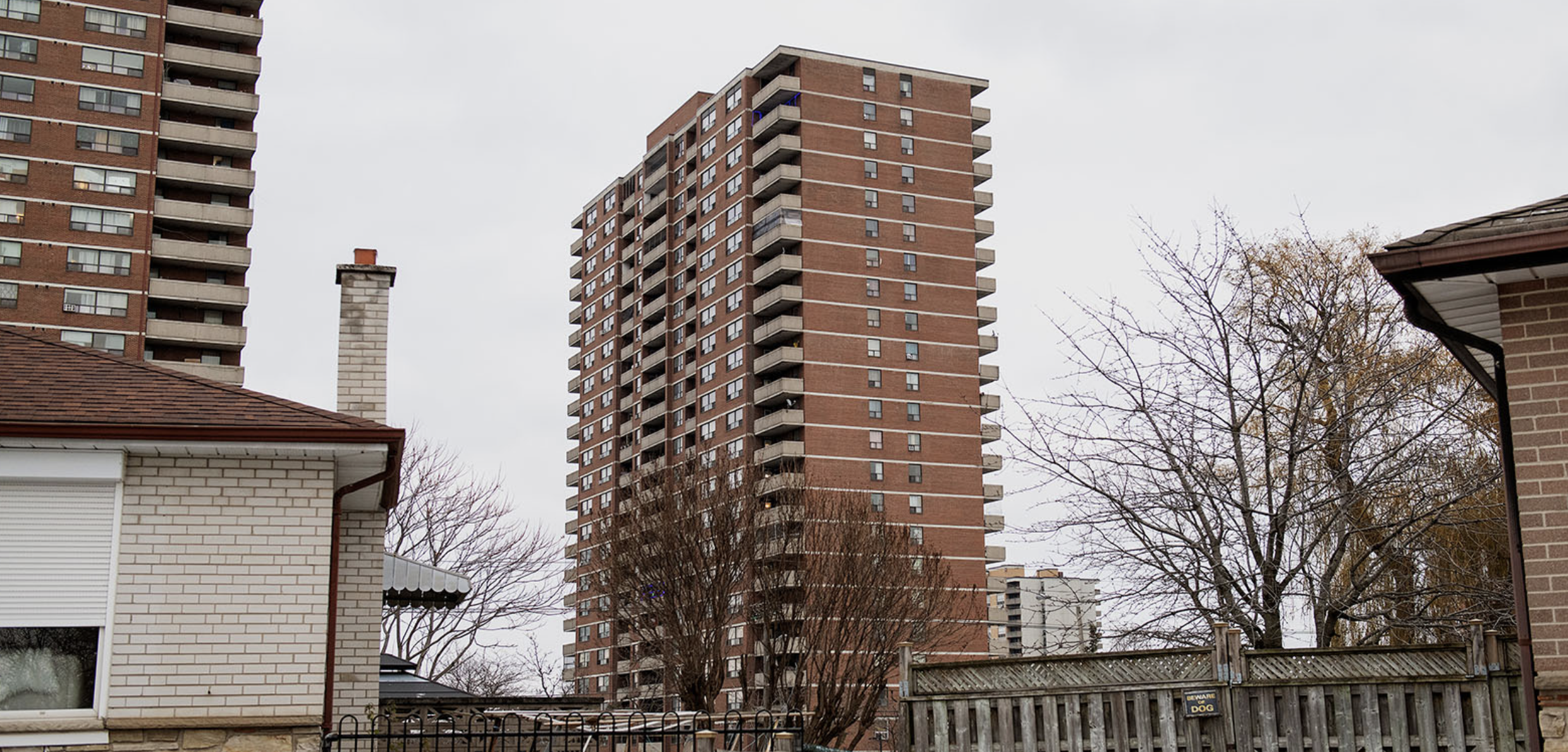
This past year we spent time gathering input from residents about gaps in service offerings and issues that are important to them. Our Community Priority Survey confirmed what many of us already knew: affordable housing is the most urgent issue facing our community, followed by food access and food security. Employment and job training, mental health support and youth programs were also top of mind for residents. This feedback reflects the daily realities our neighbours are navigating, and it continues to shape where we focus our work.



With affordability at the top of residents' concerns, our Financial Empowerment and Problem Solving program remained a critical source of support this year. Funding from Resilient Futures through Prosper Canada allowed us to grow our capacity for financial coaching, benefits navigation and long-term financial resilience. Expanded investment from United Way Greater Toronto further strengthened these services, increasing access to tax clinics, financial education and one-on-one coaching for residents across Jane-Finch.
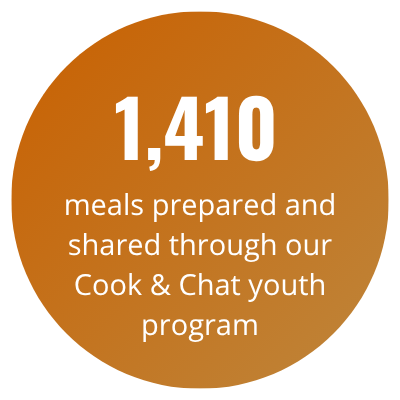
Food access is also a major issue both in our community and across the city. Thanks to local partners and businesses, we expanded our food supports to meet the growing need. Through these partnerships, our Community Wellbeing team distributed groceries to community members and program participants. Our cooking programs, including Cook & Chat for newcomer youth, created more opportunities for shared meals, and food hamper delivery brought food directly to seniors and older adults. Through all of our food distribution initiatives, we were able to provide 9,804 residents and their families with access to food.
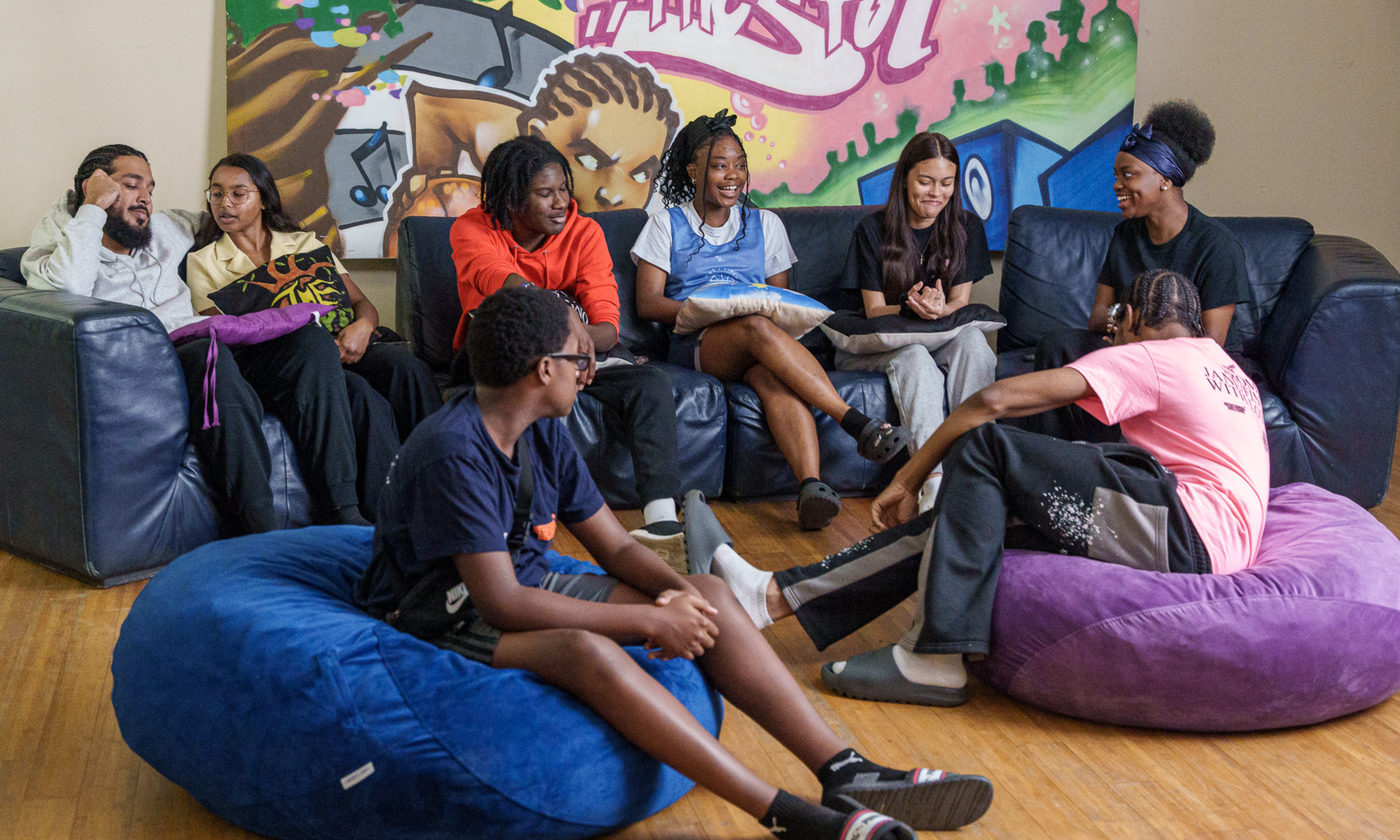
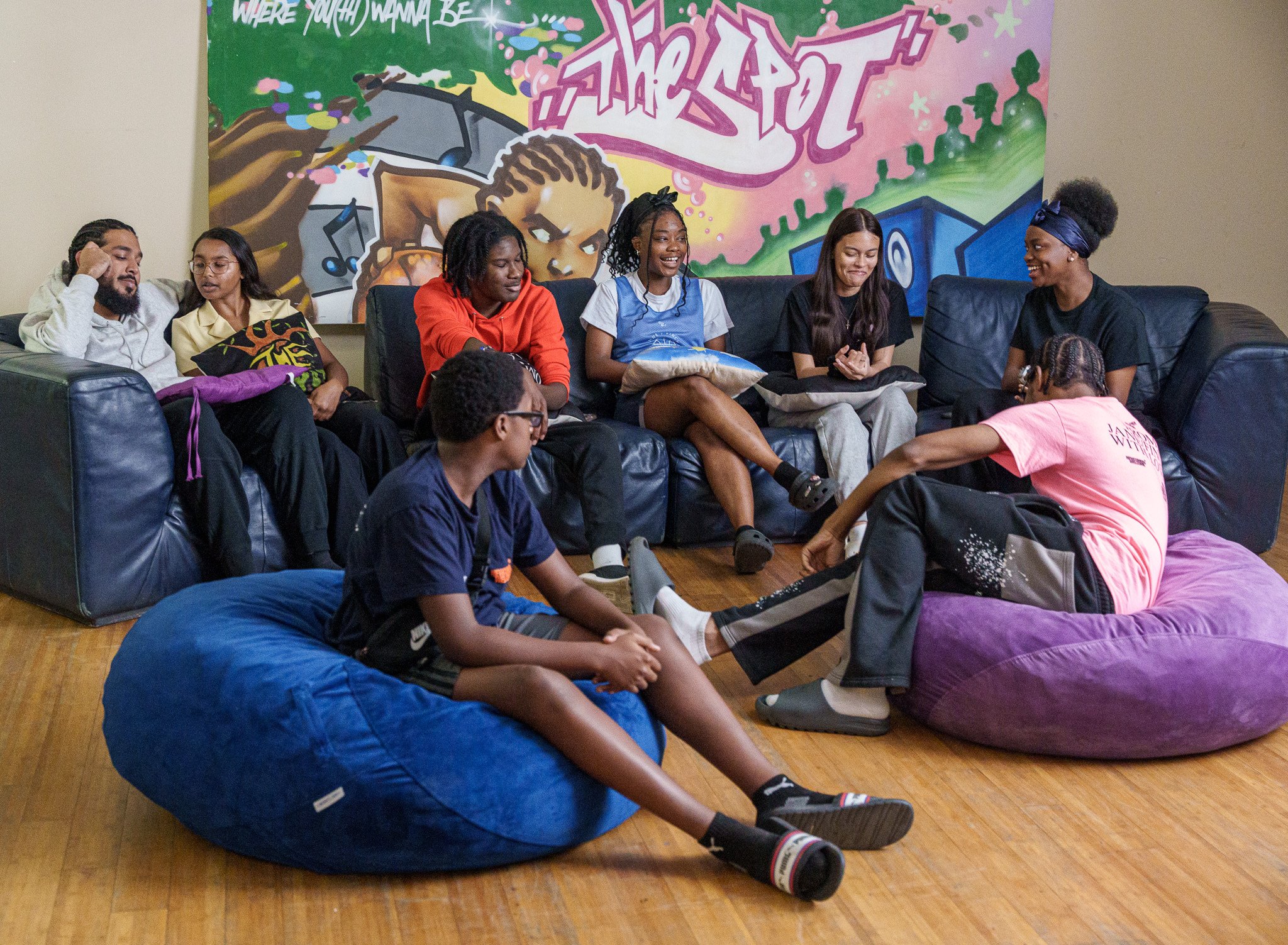
To address concerns around mental health, we received funding from Ontario Health Pediatric Funding to provide culturally responsive mental health services to Black youth and their families. Youth programming remains a focus for us, including at The Spot, our dedicated youth space inside Yorkgate Mall. Twenty years ago, The Spot was created in response to rising gun violence across the city and designed through extensive consultation with young people to be safe, welcoming and truly youth-driven. This year, The Spot brought more services directly into the space, including registered therapists, one-to-one counselling, group therapy and wellness programming, delivered alongside Jack.org, SickKids and our Community Wellbeing team.
Newcomers were another important part of this year's work. One of the strongest developments was the range of ways they could engage with us. In addition to one-to-one settlement support, clients took part in conversation circles, group information and orientation cohorts, citizenship preparation, Sew & Chat for seniors and newcomer recreation including soccer, basketball, skateboarding and snowboarding. These programs created welcoming spaces where newcomers could practice English, build community and develop new skills and connections.
Beyond service delivery, we also asked our community how we should advocate alongside them. More than 60% told us housing affordability and tenant rights should be a top priority. Local hiring and sustainable jobs are another call we hear year after year, which is why we continued to invest in projects like Black Creek Fair Economies (BCFE) and Jane Finch Bridging Education to Employment (JFBEE). We also advanced community-based research with youth, grassroots groups, non-profit organizations and universities on topics like flood risk mapping, youth employment barriers and urban heat.
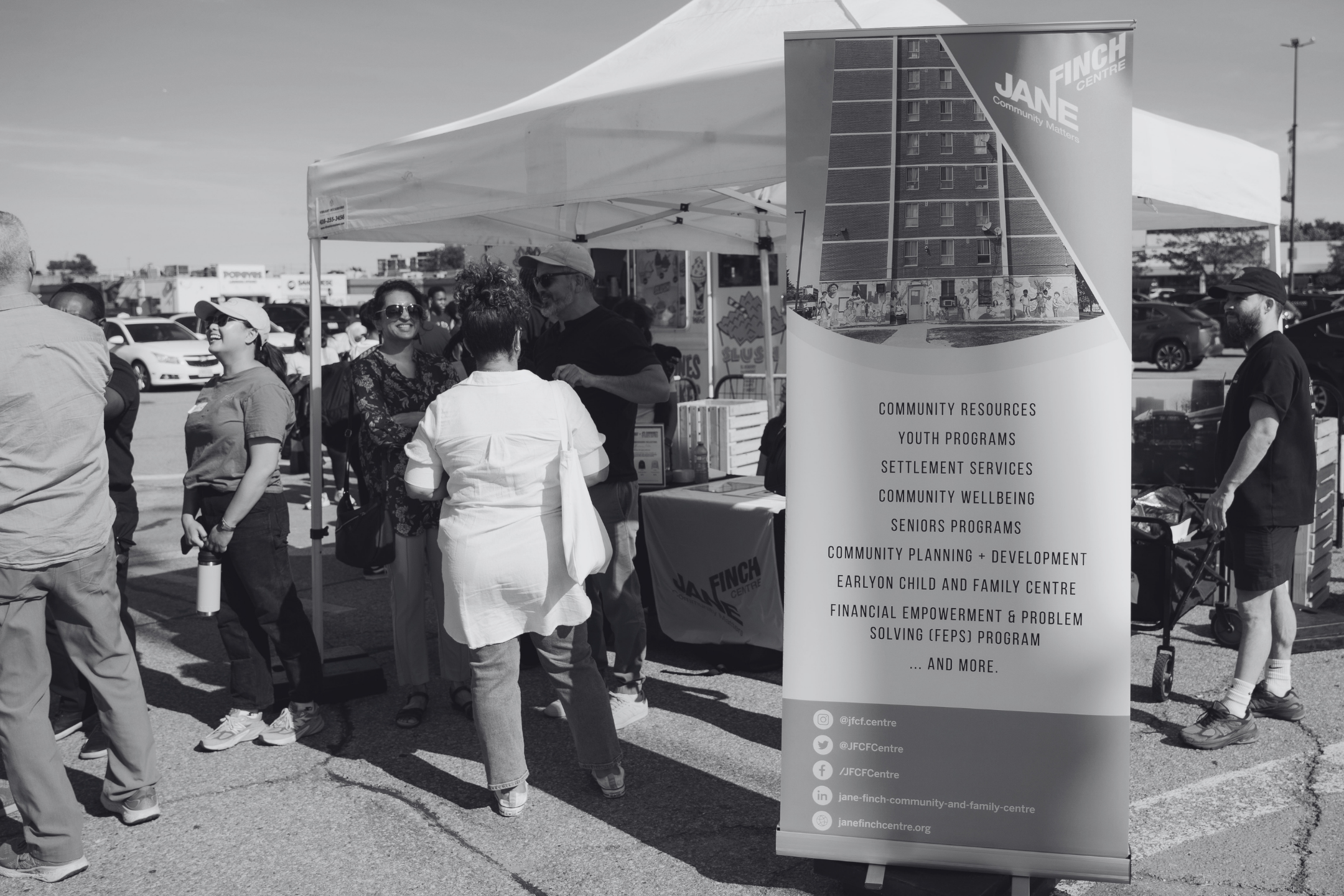
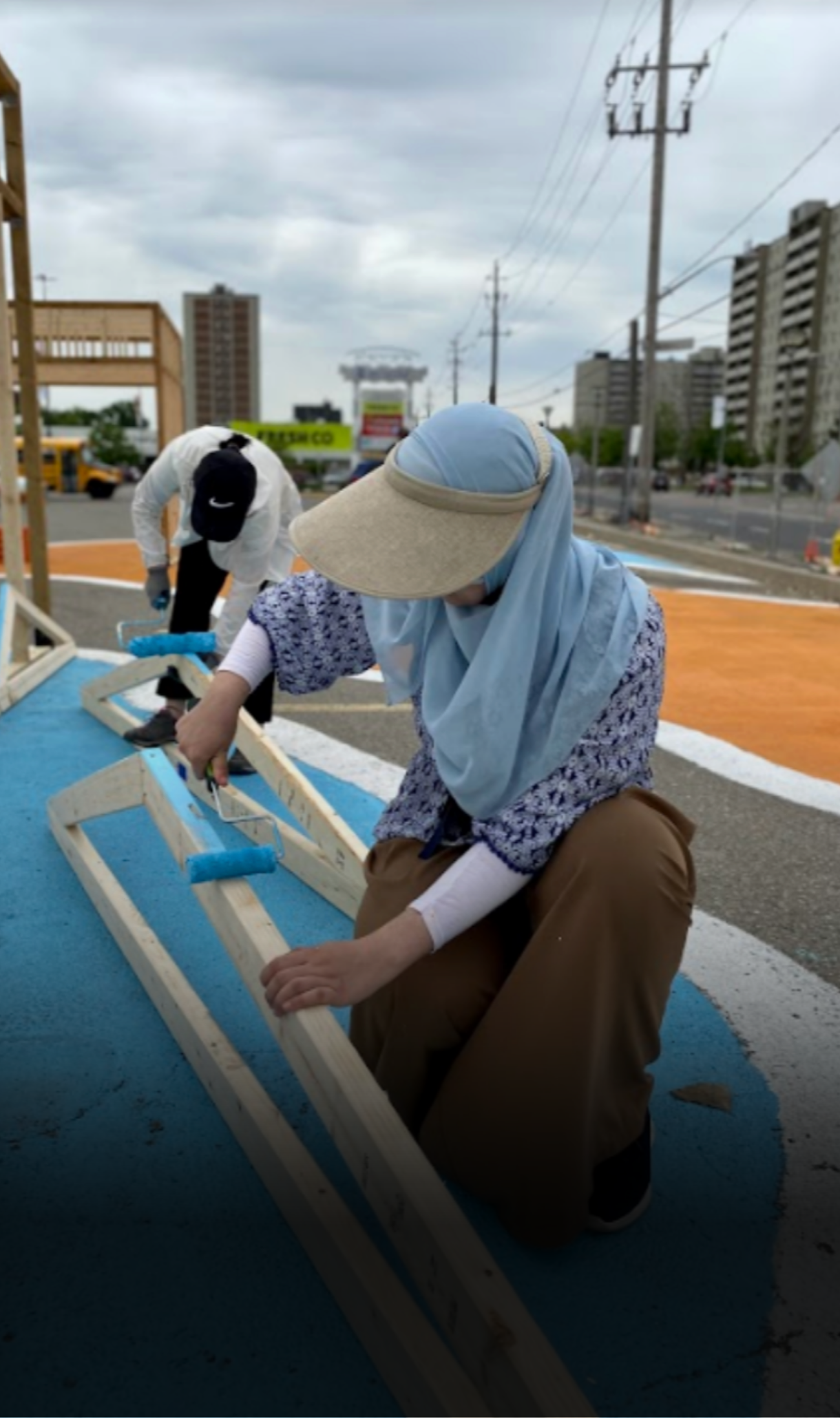
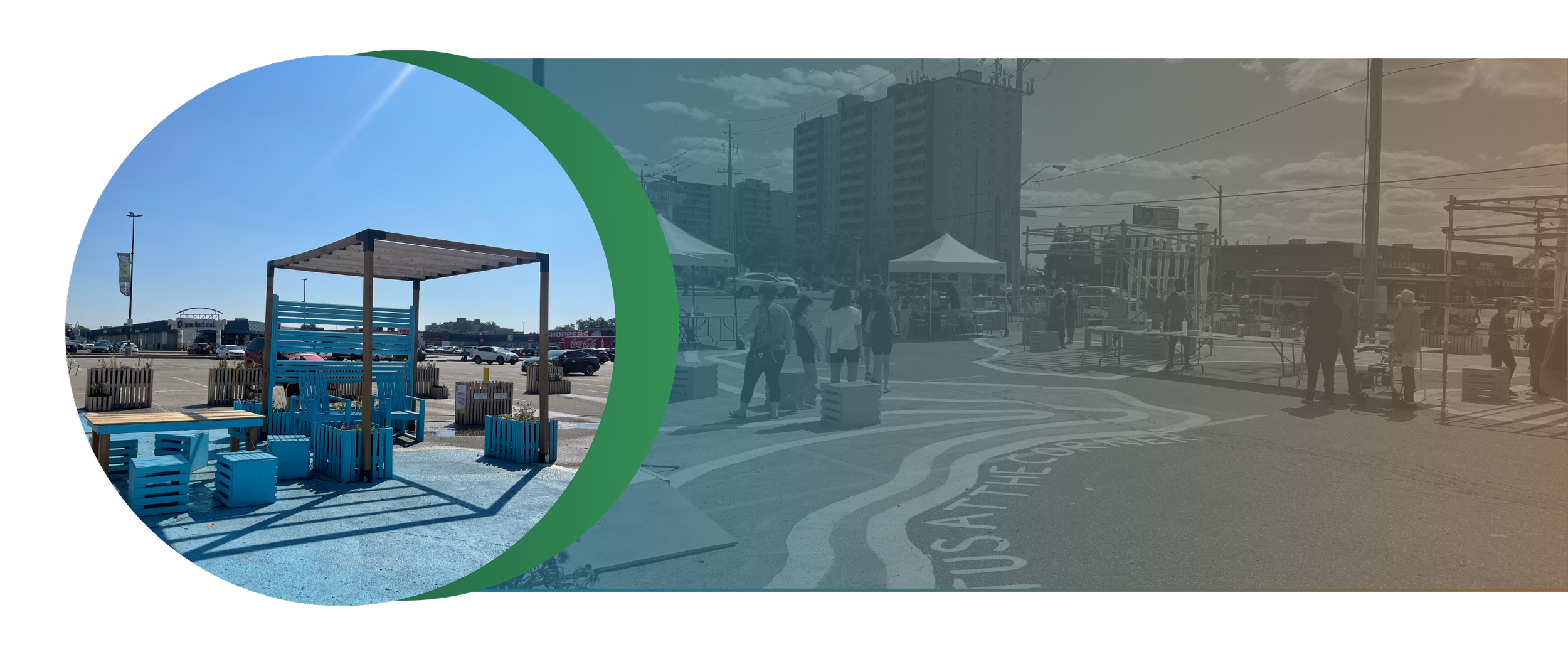
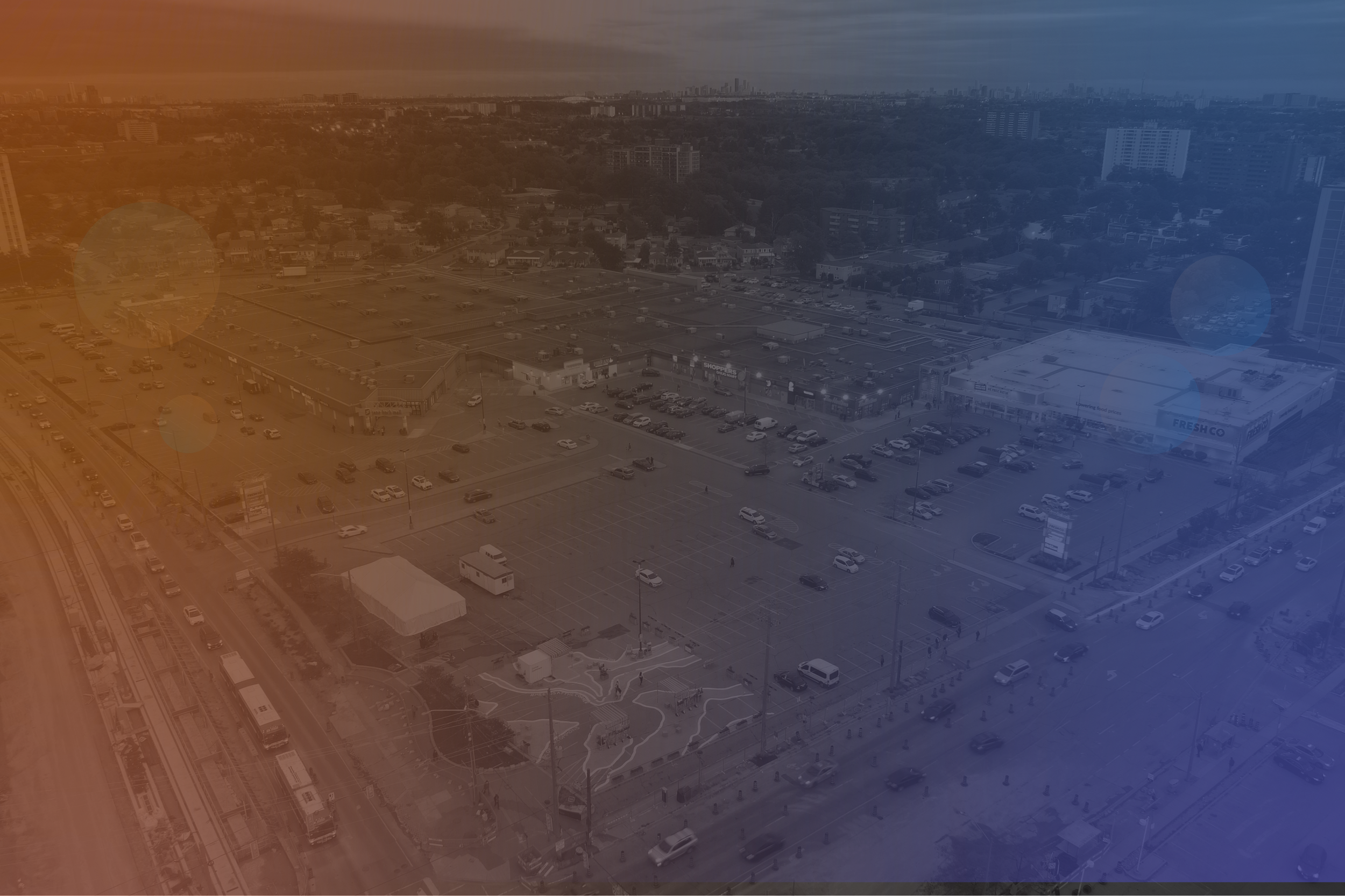
Just as important is having places where residents can come together. Corner Commons, our seasonal community space in the parking lot, celebrated its fifth season in 2025, hosting nine events over the summer and bringing out more than 1,200 community members.
As we continue to celebrate our milestone year, our mandate remains what it was in 1976: to keep earning the trust residents place in us, and to keep supporting a healthy Jane-Finch community. This anniversary is also a celebration of the many staff, supporters, partners and volunteers whose dedication, over five decades, has made this work possible.
Thank you for your commitment to our work, and for being with us on this journey.
Michelle & Mustafa


Michelle Dagnino
Executive Director
Mustafa El Amin
Board Chair
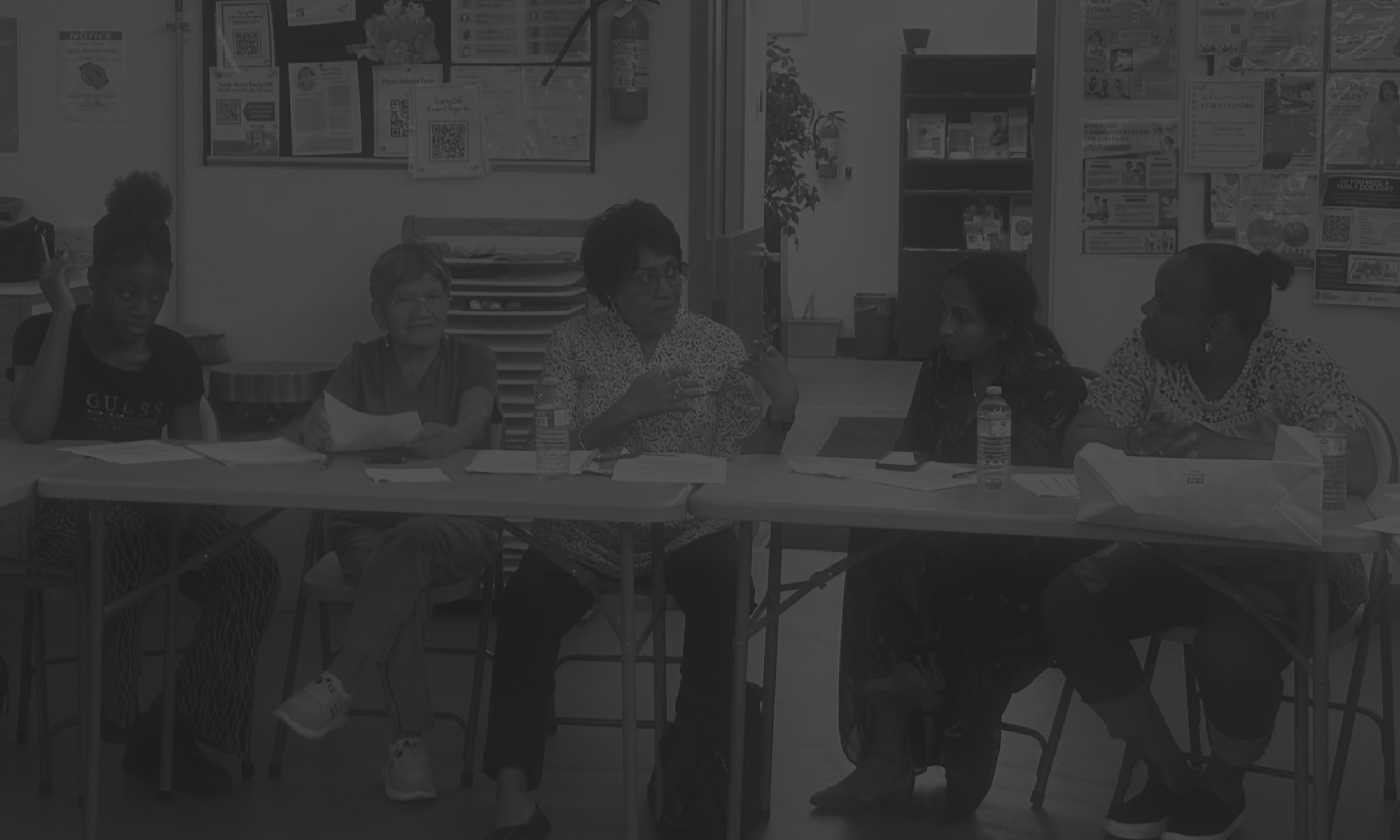
Jane/Finch Centre is a community-based organization driven by passion, innovation and a strong commitment to leadership, social justice, community engagement and collaboration.
OUR MISSION
OUR VISION
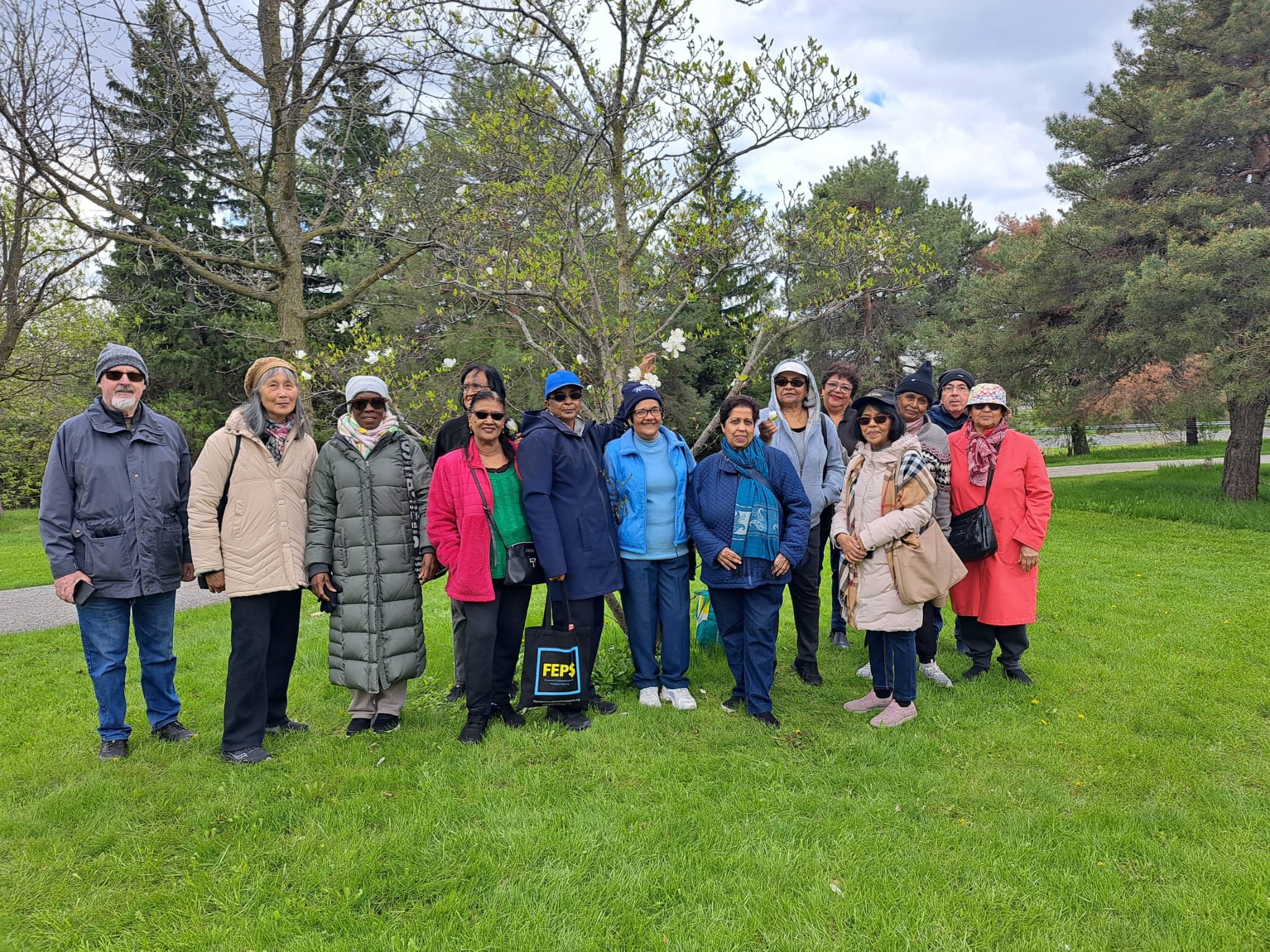
Our vision is a healthy Jane Finch community – strong, inclusive and civically-engaged through diversity, opportunity and participation.
In 2025, we asked residents what mattered most to them so we could better serve our community. Affordable housing was the top community priority, named by 71 per cent of respondents, followed by food access and security (36 per cent), employment and job training (32 per cent), and mental health supports and youth programs, tied at 29 per cent each.
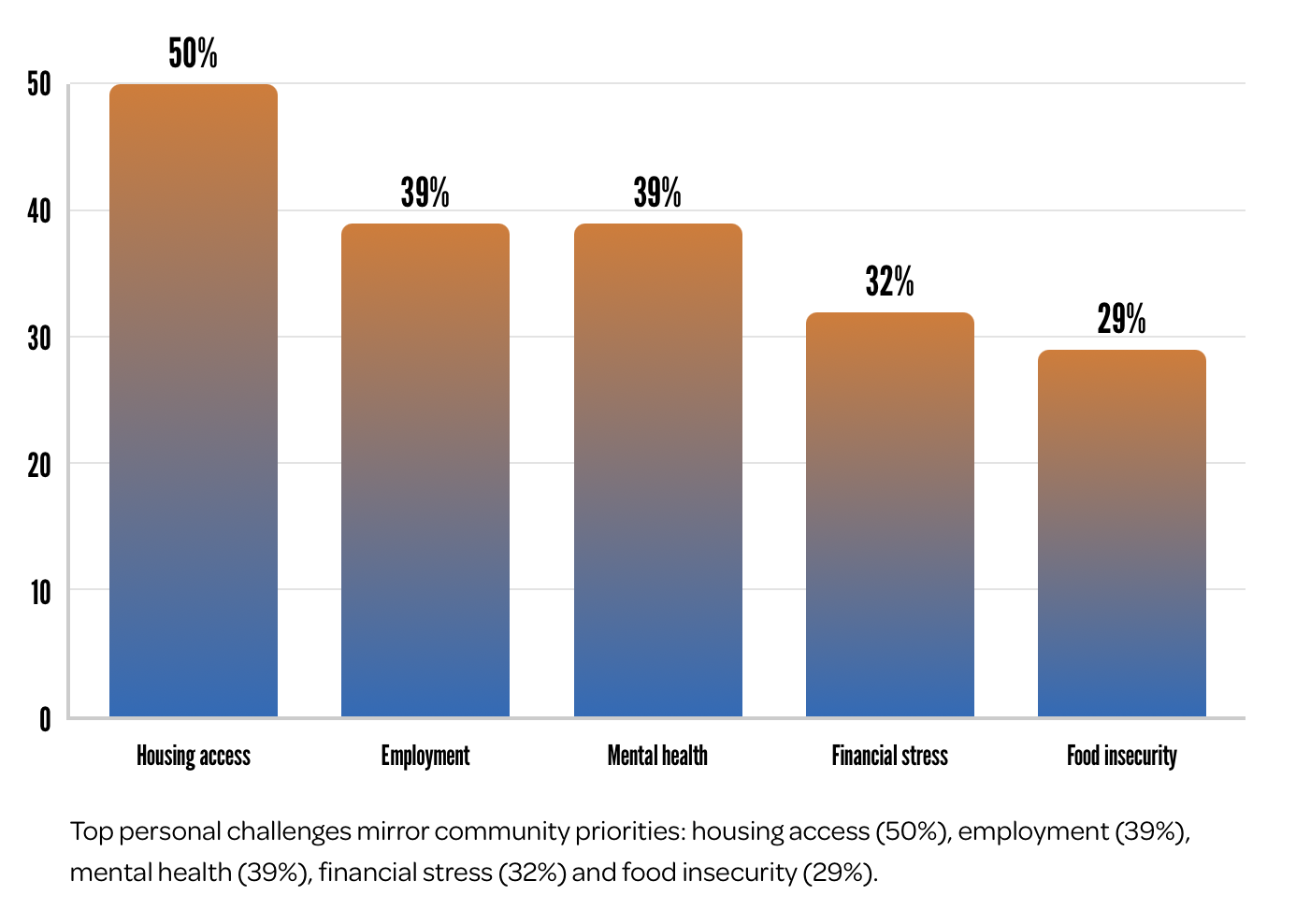
We also asked residents about their own challenges. They pointed to nearly the same list: housing access (50 per cent), employment (39 per cent), mental health (39 per cent), financial stress (32 per cent) and food insecurity (29 per cent). What the community says matters most, and what residents are actually living through, are largely the same thing.
Priorities From Our Community
This matches what's happening across the city. Food banks are seeing record demand, and the gap between wages and the cost of living keeps growing. A larger youth population is also driving the need for more accessible supports.
Our program staff are seeing the same pressures firsthand. Our financial empowerment team has seen more clients facing housing instability and financial crisis, reinforcing the need for integrated financial coaching, benefits navigation and service referrals: community-based support that helps residents build stability while connecting them to what they need.
Local hiring and good, sustainable employment remain a priority, driving projects like BCFE and JFBEE. Work with community partners on flood mapping and heat data reflects growing concern about flooding and extreme heat as climate change makes both more common. And there still isn't enough low-barrier community space for residents to use for programs and events.
This is the foundation the rest of this report is built on. We used this information to shape how we delivered our programs and services this year.
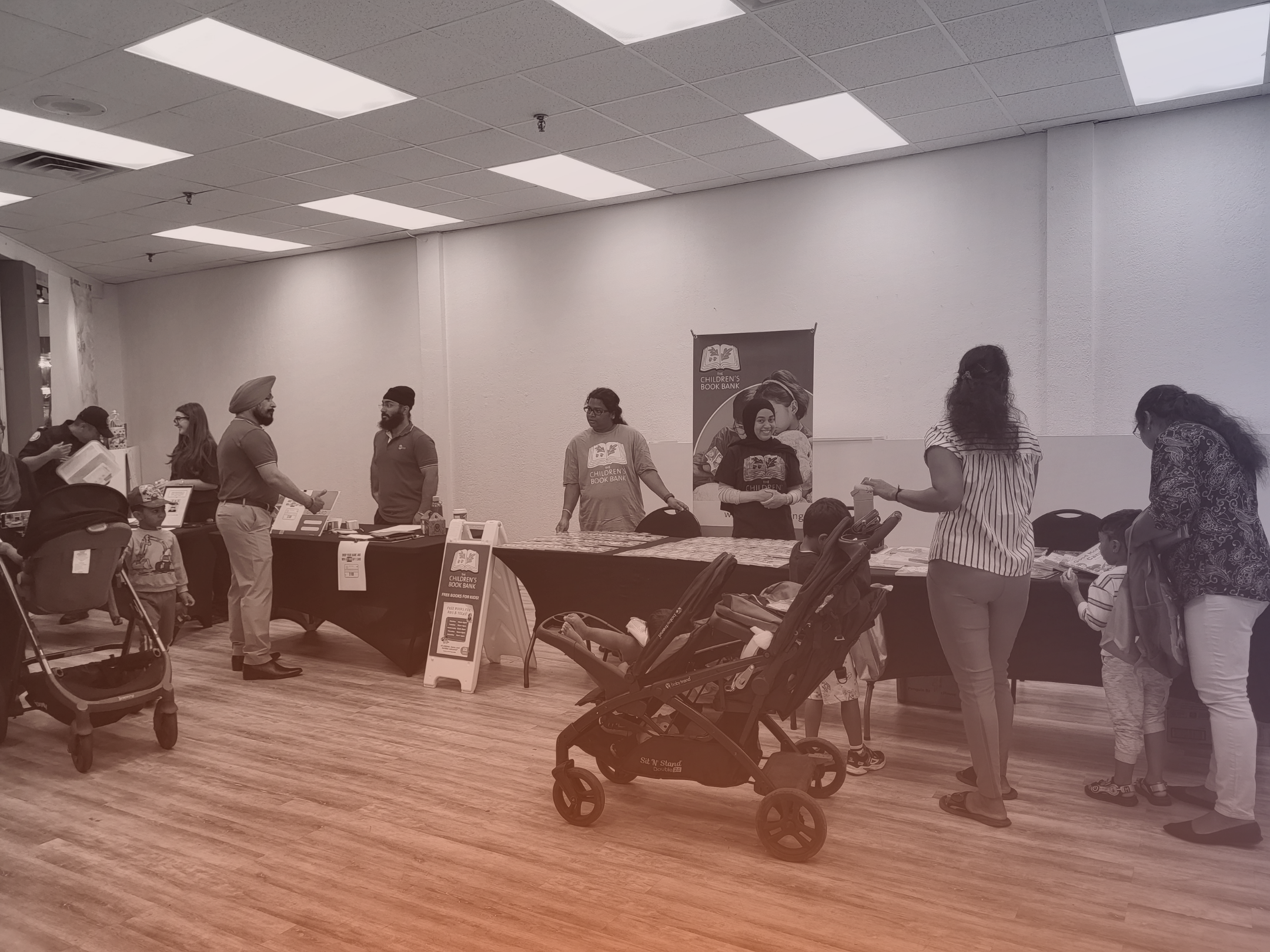

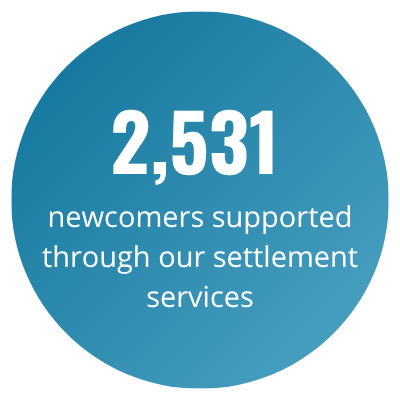
In 2024-25, we served 15,375 residents across Northwest Toronto through our various programs and services.

Where We Showed Up
Our programs and services are developed from the realities our community faces. Each department works to break down barriers created by systemic inequities, while building spaces of support, connection, and opportunity. The updates below show how this work took shape in the 2024–25 year—what we achieved, what we learned, and how we continue to support our community.
IN OUR PROGRAMS RESIDENTS TOLD US:
95.8%
of surveyed YVP participants reported being better able to avoid situations that could lead to violence
of newcomer seniors in our Intergenerational Engagement for Newcomer and Equity-Seeking Seniors program reported increased mental health outcomes after the program ended
96%
Additional highlights
Expanded paediatric mental health supports for Black youth through dedicated Ontario Health paediatric funding, led by our community wellbeing team
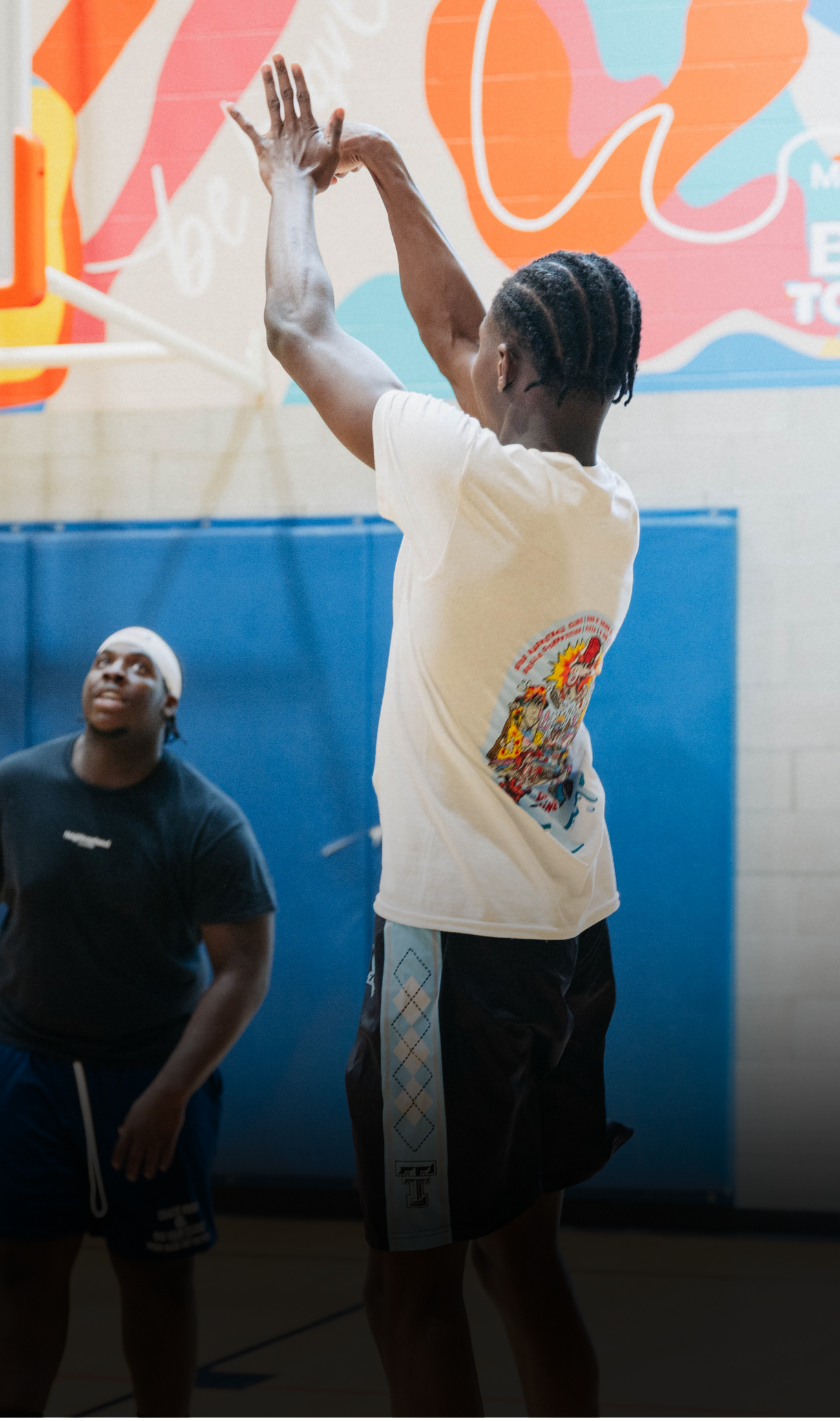
Broadened newcomer youth programming beyond traditional settlement services to include snowboarding, yoga, skateboarding, soccer, basketball, cooking, and social connection activities
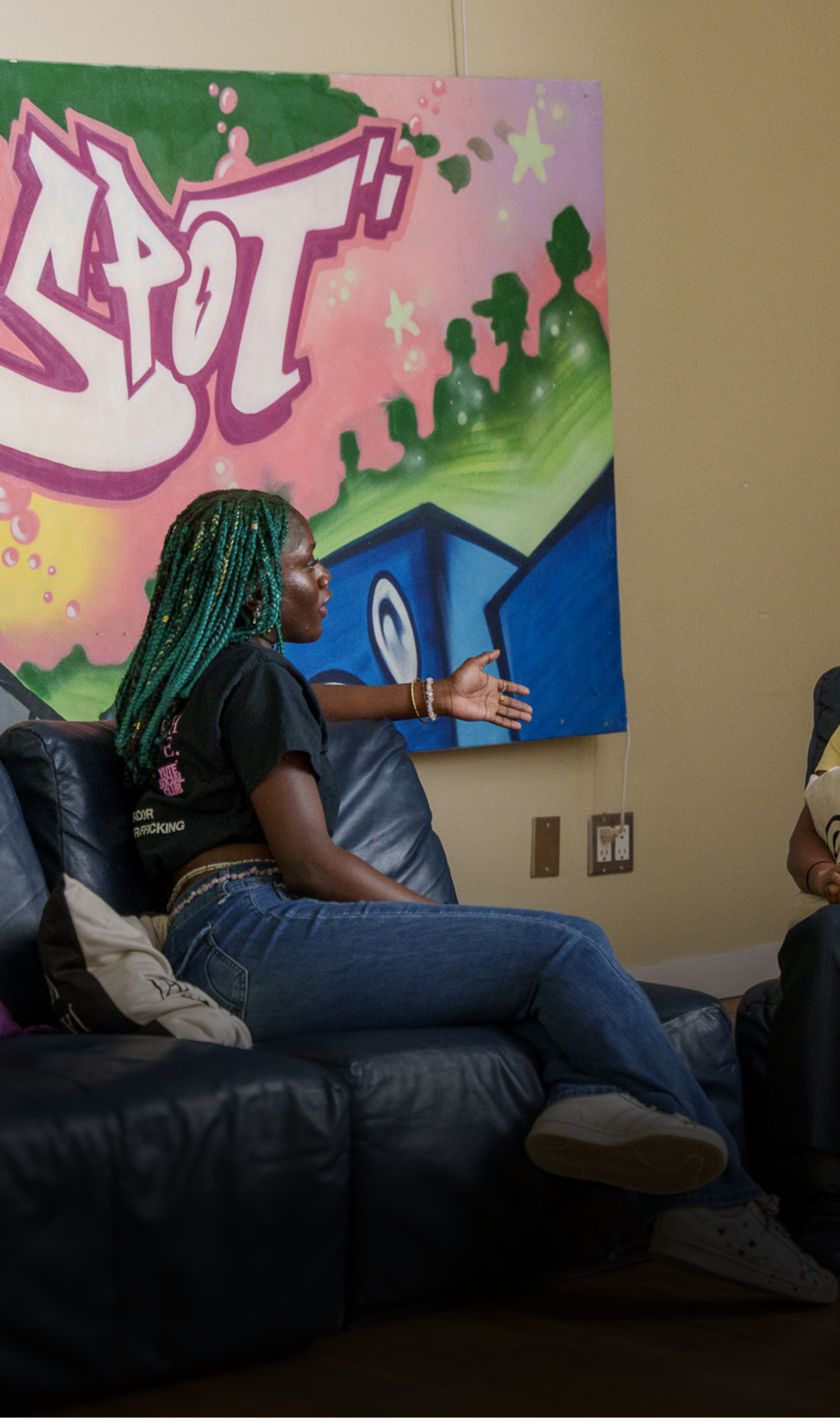
Brought more support directly into The Spot through registered therapists, one-to-one counselling, group therapy, wellness programming, and partnerships with Jack.org, SickKids, and JFC's Community Wellbeing team.

Community in action
YOUTH-LED PROJECTS
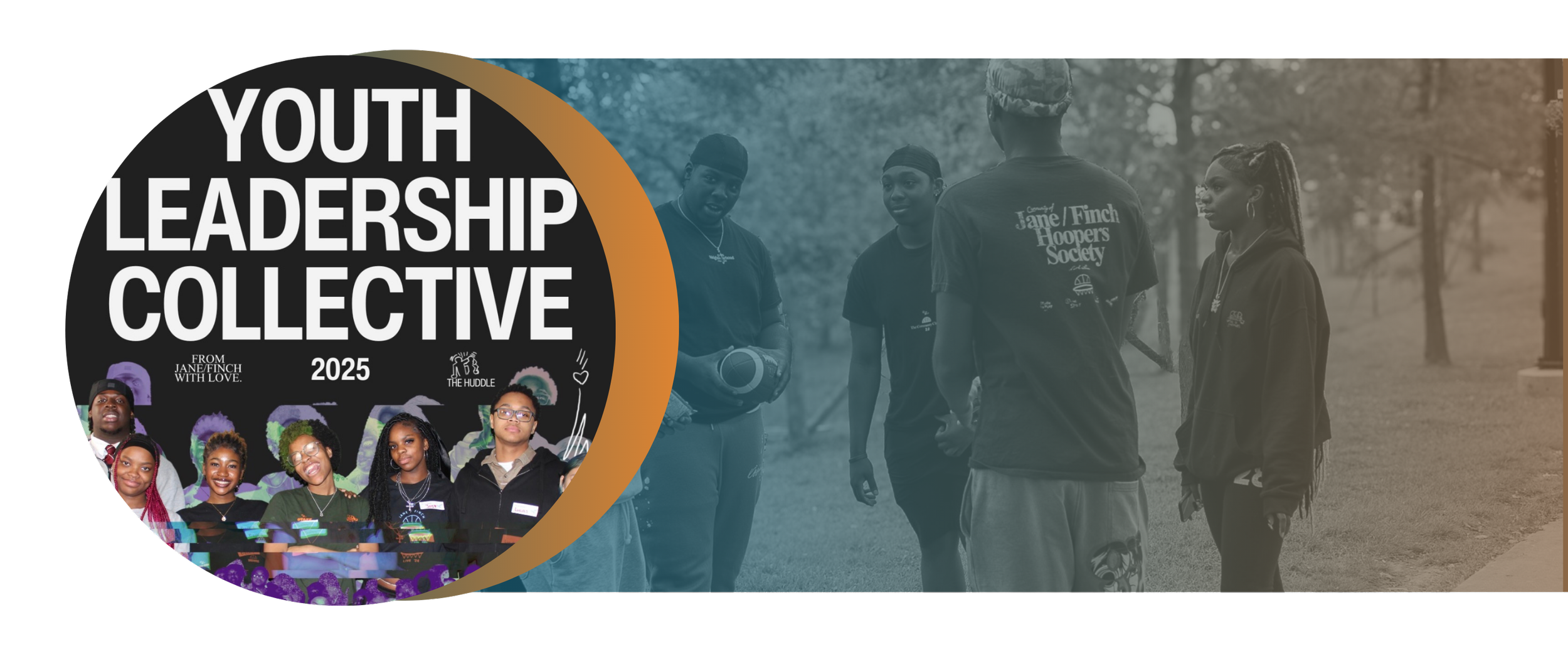
Through the City of Toronto's Identify 'N Impact Grant Program, with support from the Tippet Foundation, 11 youth co-led programs this year, including CapturedWithLove (a youth photography group), Get Her'd / 4 The Gyal Dem (a group for female-identifying youth) and YAC, our youth advisory council. Youth leaders helped co-design programming, identify priorities, participate in hiring, and gain exposure to governance and professional settings. This year, that leadership looked like:
Get Her'd / 4 The Gyal Dem engaged approximately 80 unique participants.
CapturedWithLove engaged 12 BIPOC youth in photography, videography and storytelling.
2025 CORNER COMMONS SEASON
This year, Corner Commons celebrated it's 5th season at the corner of Jane and Finch. Corner Commons hosted 9 events throughout the season, and had an attendance of over 1200 people. We had support from residents across the city, with 19 Corner Commons volunteers with over 300 hours of volunteering.
In 2025, our Family-to-Family Program supported 30 families, connecting them with generous donors across the City of Toronto. A total of 66 donors participated in the program, contributing approximately $9,700 in cash donations. Beyond monetary support, the program also received substantial in-kind contributions, including furniture and other large household items. When combined with these in-kind gifts, the total estimated value of support provided through the program reached approximately $21,000.

2025 FAMILY-TO-FAMILY PROGRAM
YOUTH SCHOLARSHIPS
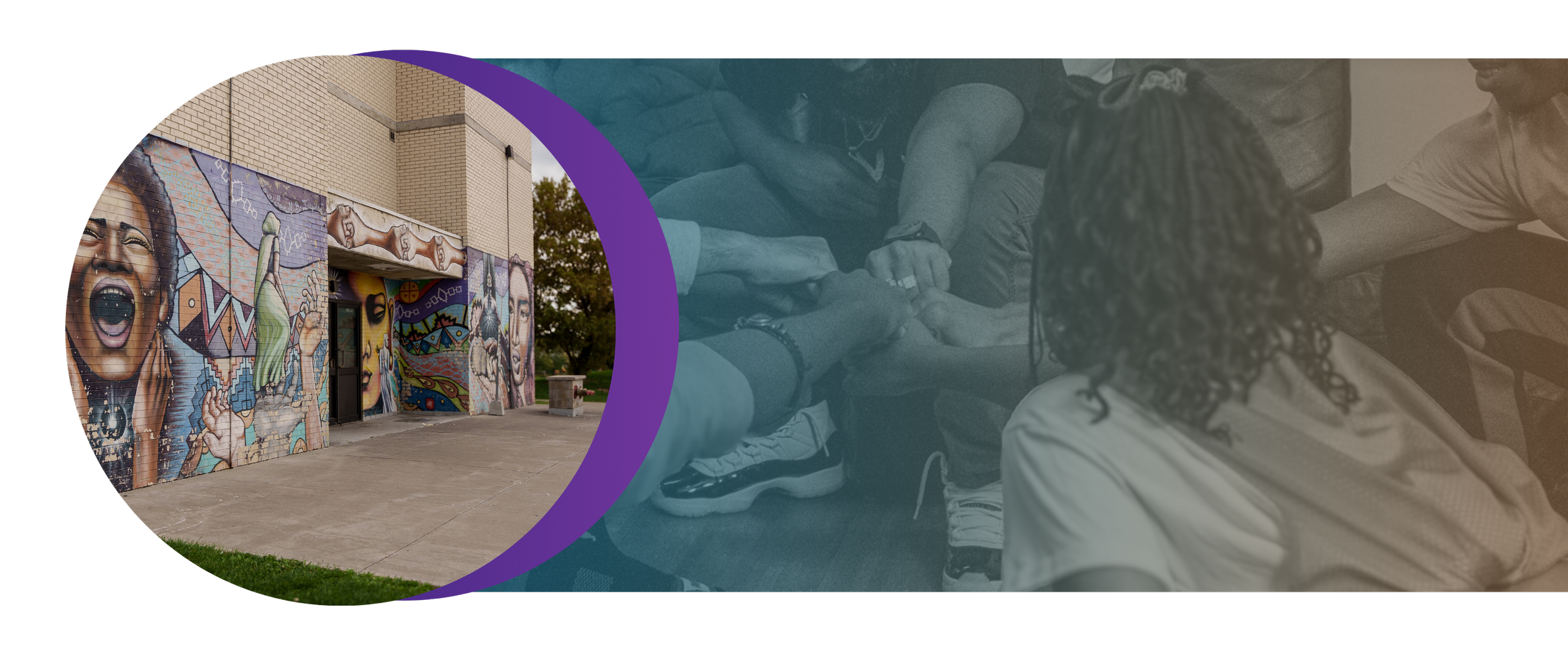
In partnership with the Cappuccitti-Addeo family, we launched the Talya Sienna Addeo Memorial Scholarship, providing one youth from the Jane-Finch community with a $2,500 post-secondary scholarship.
Neighbours Supporting Neighbours
Each department at the Jane/Finch Centre works to address the systemic barriers faced by our community, while building spaces of support, connection and opportunity. The updates below describe how this work took shape in the 2025–26 year: what we achieved, what we learned and where our work continues.
-
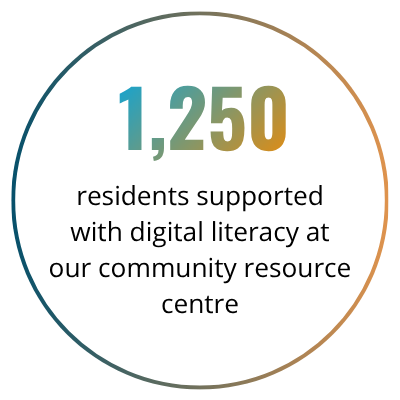
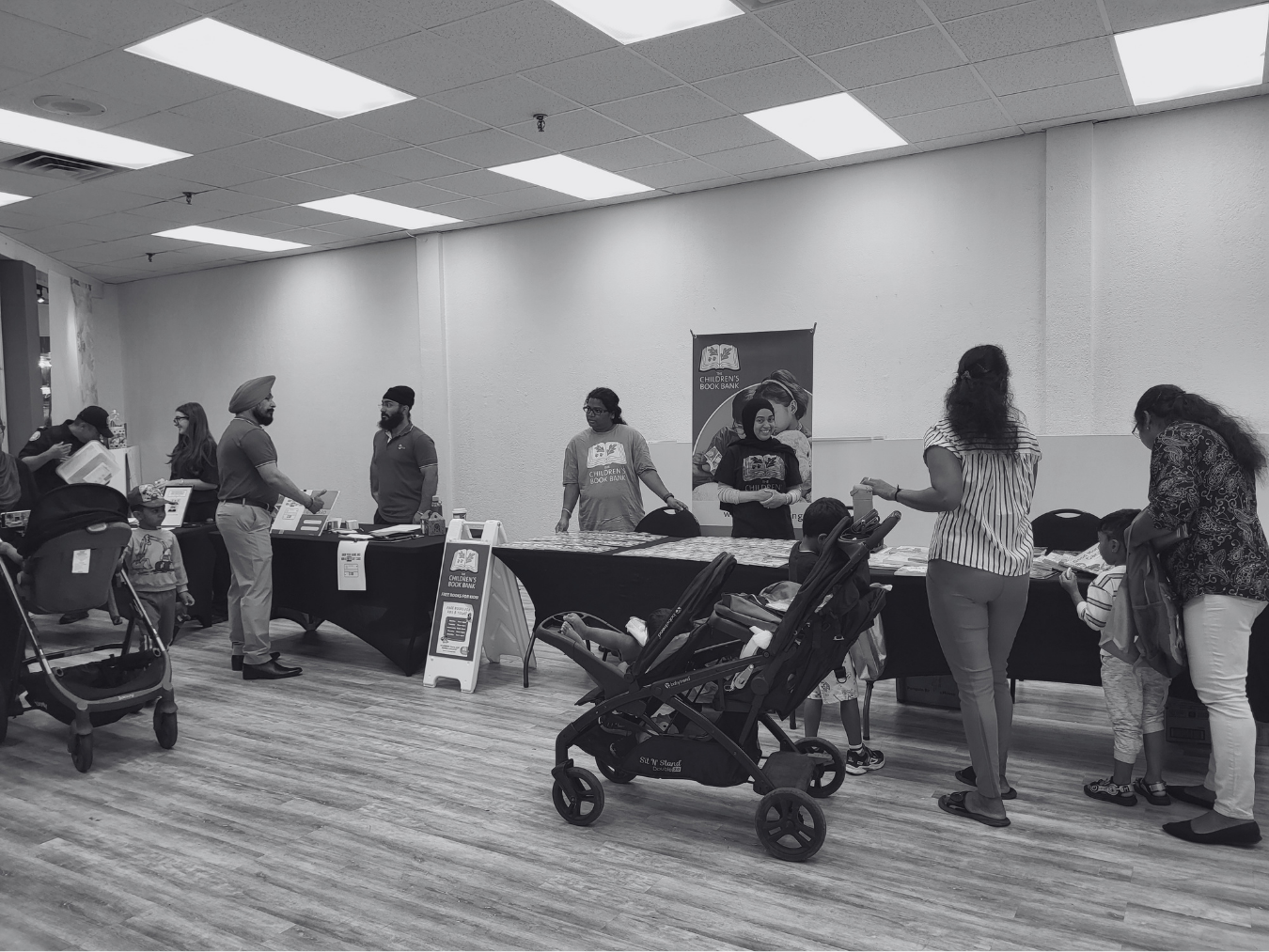
This year, the Community Resource Centre (CRC) served 1,250 community members, working to remove daily barriers and foster social and economic inclusion by focusing on digital literacy, housing stability, and accessible administrative support.
More than 1,250 community members engaged with our digital literacy offerings, building practical skills and comfort with technology for everyday life. Working in close collaboration with Community Wellbeing and FEPS, the CRC also supported clients navigating housing challenges, housing systems, and tenant rights, providing dedicated guidance and advocacy for individuals and families facing housing precarity.
Our walk-in space continued to serve as a welcoming administrative hub, offering free daily access to computers, printing, scanning, faxing, and resume assistance. This access removes critical logistical roadblocks, making it possible for community members to submit applications, manage essential paperwork, and stay connected to vital public supports.
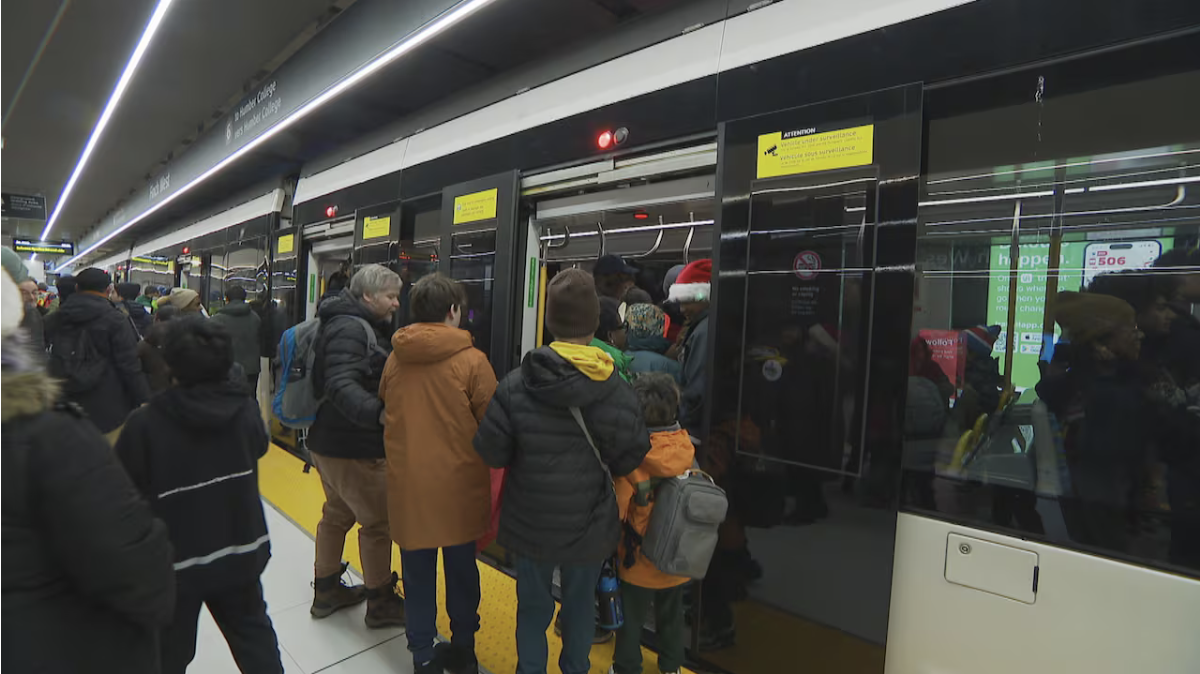
Beyond direct services, the CRC remains rooted in building genuine community connection. In December, our team joined neighbours at 4400 for a winter celebration, sharing hot chocolate, treats, and small gifts for children — a reflection of the CRC's broader commitment to walking alongside community members not only through hardship, but toward moments of joy, care, and collective belonging.
-
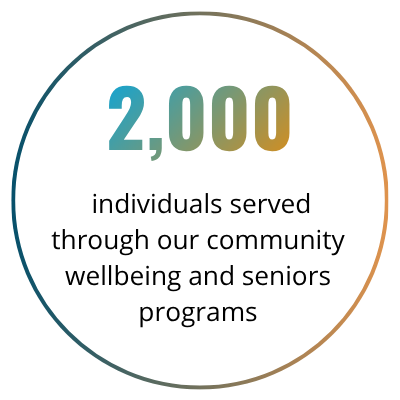
This year, our Community Wellbeing team served 2,000 residents, offering programming that supported healthy aging, food security, mental health, and social connection across the community.
Through our partnership with Functional Mind and Body, seniors took part in a six-week program combining non-contact boxing with dementia resilience and movement, supporting more than 90 visits and promoting physical activity, cognitive wellbeing, and social connection. Our partnership with COTA at 2195 Wilson Avenue further strengthened seniors' wellbeing, offering social recreation programming designed to build confidence, deepen knowledge, and reduce isolation among older adults.
Food security remained a priority this year. Partnerships with Second Harvest and Starbucks allowed us to distribute 3,041 food items to community members and program participants, while collaborations with other community organizations provided 360 food hampers to seniors.
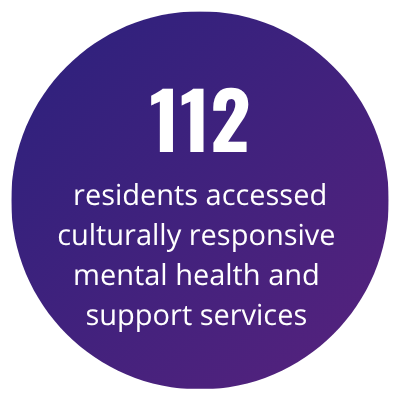
Our Talk It Out, Work It Out program, delivered in collaboration with the University of Toronto's Master of Social Work and Kinesiology programs, offered counselling and physical wellbeing supports over an 8-week program, recording 145 participant visits. Through Ontario Health's pediatric funding for Black youth, we also expanded culturally responsive mental health services, supporting 112 unique individuals across 121 visits and helping children, youth, and families access care that reflects the needs of their community.
-
This year, our Community Planning and Development team engaged 2,553 people, working alongside residents, grassroots groups, non-profits, and universities to strengthen community spaces, advance local research, and connect people to opportunity across Northwest Toronto.
Corner Commons marked its 5th anniversary in 2025, continuing to serve as a vital hub for the community. We hosted 9 events there, drawing over 1,200 attendees, and were supported by 19 dedicated volunteers who contributed more than 300 hours of their time. Our Workers Justice Course completed a successful fall semester, building momentum for additional courses ahead, while our JFBEE project engaged over 60 community members through knowledge sharing events and outreach.
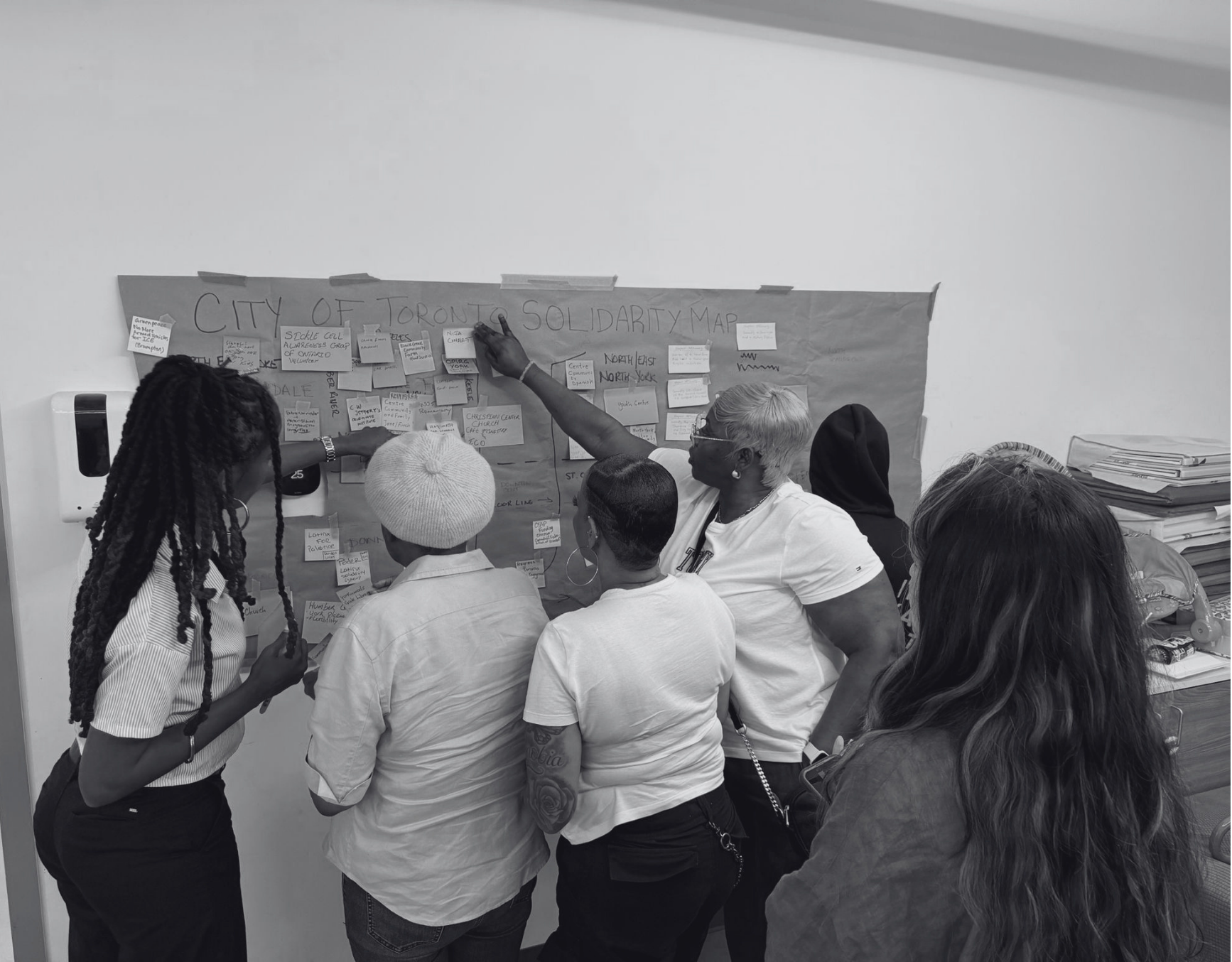
We also launched the SafeTO map, a new tool that helps community members explore programs and services across Northwest Toronto, and advanced community-based research on pressing issues like flood risk mapping, youth employment barriers, and urban heat, working closely with youth, grassroots groups, and academic partners. These partnerships were central to our work this year — we started or strengthened relationships with 56 partners across all CP+D projects.
Climate-related issues have become an increasingly urgent focus, as the risks of flooding and extreme heat grow more prevalent; our work on flood mapping and heat data reflects this emphasis. Local hiring and access to sustainable, good employment also remain a key driver behind projects like BCFE and JFBEE. At the same time, access to community space continues to be a challenge, with a persistent lack of accessible, low-barrier spaces for programming and events. Despite these pressures, our team continues to build the partnerships, tools, and research that help Northwest Toronto communities plan for a more resilient future.
-
This year, our Family Programs team served 738 adults and 934 children, recording 4,623 adult visits and 5,401 child visits across our programming.
We established a new partnership with the Toronto Reading Partnership, launching a reading program for children ages 3–6. The first two sessions were delivered virtually after school hours, helping reduce barriers related to distance and making the program more accessible to families.
Through the Toronto Star Santa Claus Fund, 309 children were registered to receive holiday boxes, with an additional 300 bulk boxes delivered to support individuals and families who missed the registration period. Through the CP24 CHUM Christmas Toy Drive, 250 children were registered to receive toys this holiday season.
Looking ahead, a key gap remains in services for children ages 7–12, as most existing programming and funding is concentrated on children 6 years and younger. Addressing this gap remains a priority as we continue building supports that meet families at every stage.
-
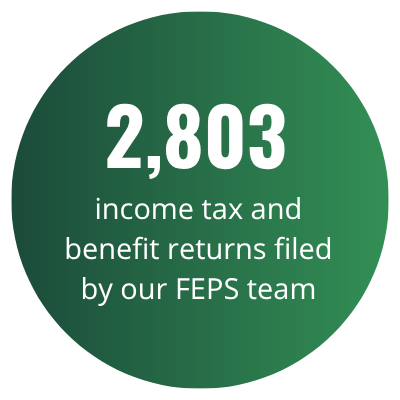
This year, the Financial Empowerment Program (FEPS) completed 2,803 income tax and benefit returns through the Community Volunteer Income Tax Program (CVITP), helping low-income individuals and families maximize their income and access valuable government benefits.
We secured new funding this year, including Resilient Futures funding through Prosper Canada, which expanded our capacity to provide financial coaching, benefits navigation, and long-term financial resilience supports. Additional investment from United Way Greater Toronto further strengthened our financial empowerment services, increasing access to tax clinics, financial education, and one-on-one financial coaching for residents across the Jane and Finch community.
Beyond tax filing, FEPS supported seniors and other eligible residents in applying for essential financial benefits and subsidy programs, including Old Age Security (OAS), the Guaranteed Income Supplement (GIS), the Canada Dental Care Plan (CDCP), the Ontario Electricity Support Program (OESP), and the City of Toronto Air Conditioner Assistance Program. FEPS also provided intensive service navigation and crisis support, successfully assisting four clients experiencing homelessness in securing emergency shelter and connecting them with housing and community supports.
Demand for financial empowerment and system navigation supports continued to grow this year, as the rising cost of living placed increased pressure on individuals, families, and seniors. Language barriers and limited digital literacy remained significant challenges, with many clients needing assistance creating online government accounts, navigating benefit portals, and understanding the tax filing process. Limited awareness of available federal, provincial, and municipal benefits also means many eligible residents continue to miss out on important financial supports. FEPS also observed an increase in clients experiencing housing instability and financial crisis — a trend that reinforces the importance of accessible, community-based financial empowerment services that help residents build stability while connecting them to the supports they need.
-
-
Celebrating 50 Years of Jane-Finch
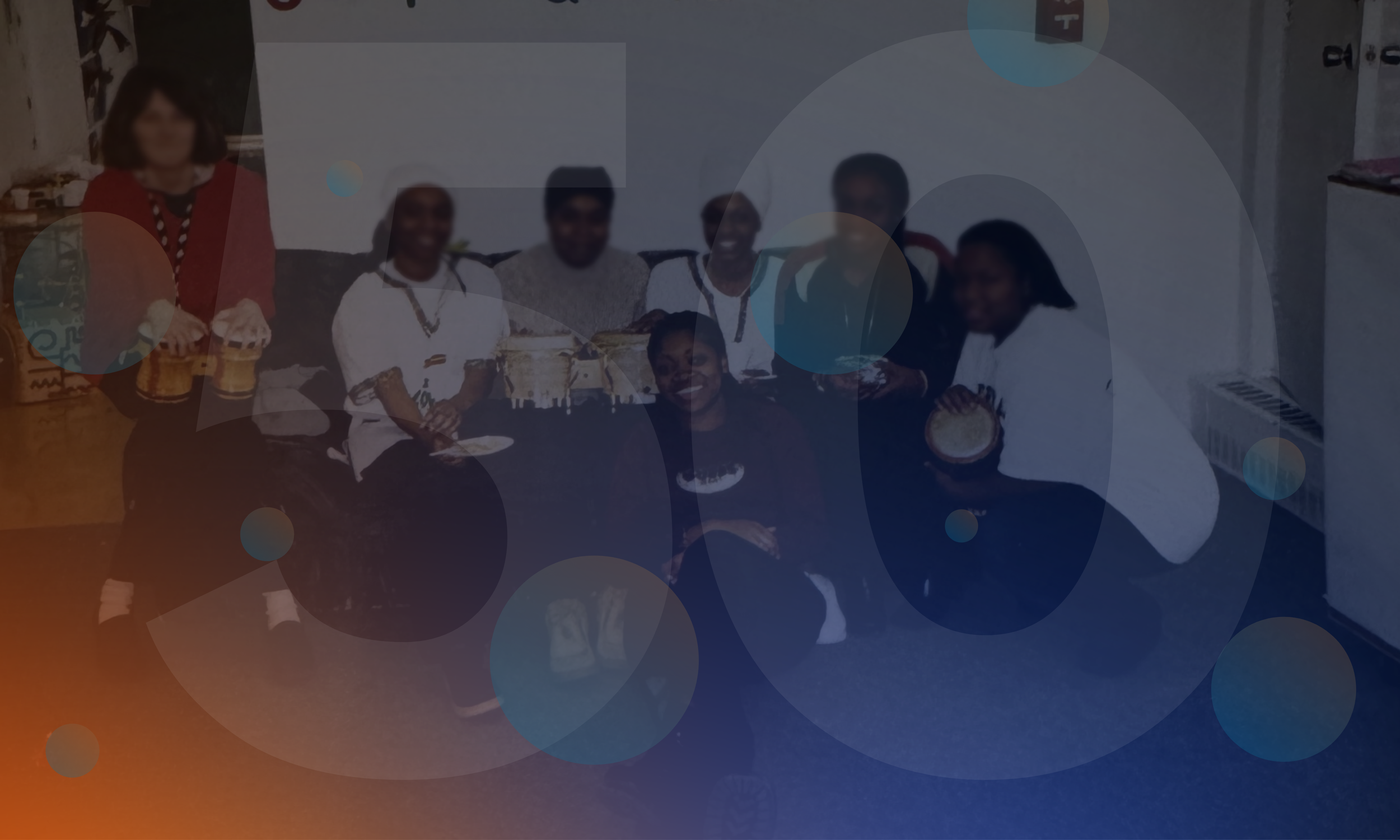
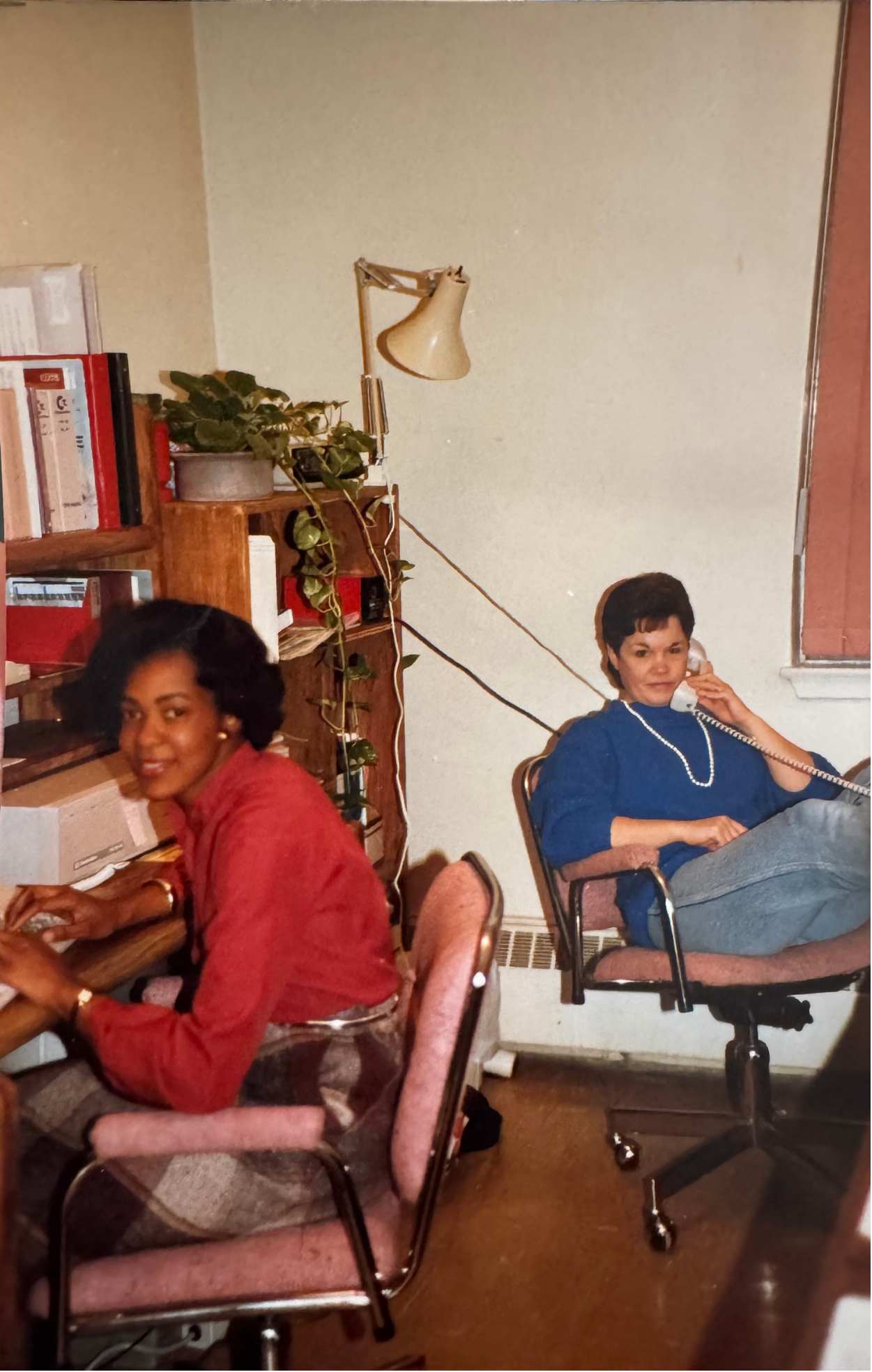
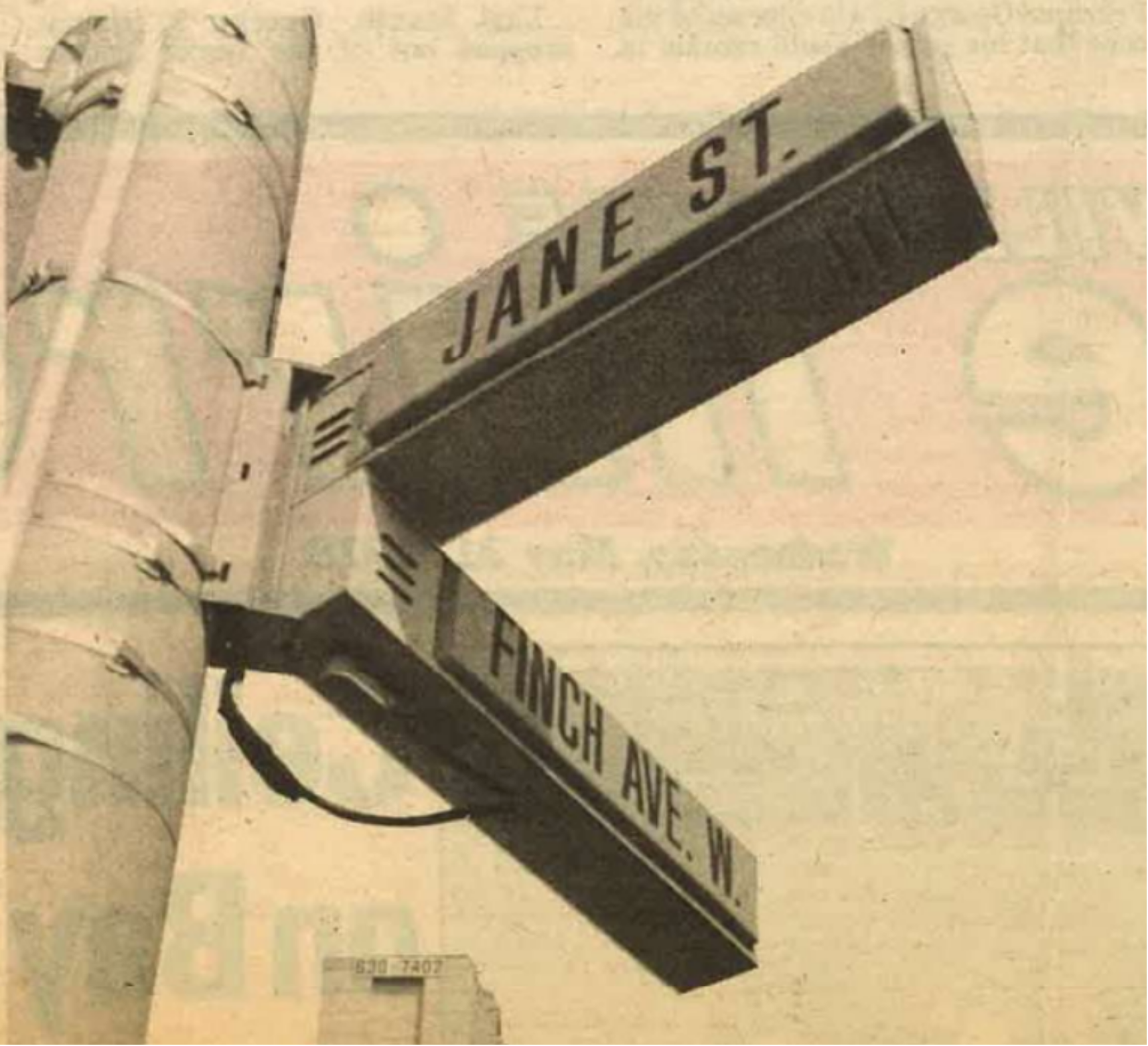
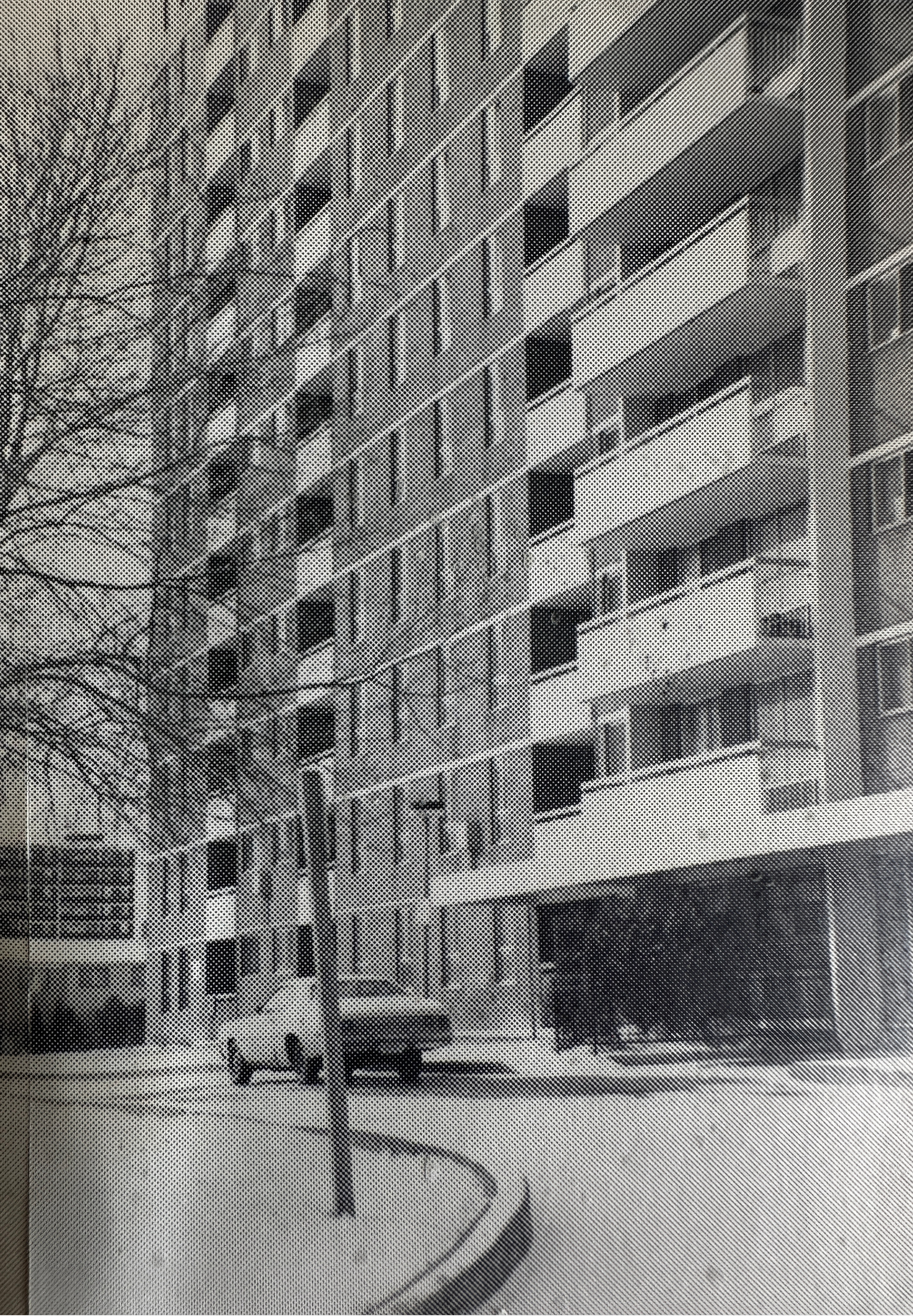
In 2026, the Jane/Finch Centre marked its 50th anniversary, and The Spot marked 20 years as our youth space. Beginning in January, we shared our history chapter by chapter, with archival photos, highlights and fun facts published monthly through our social media channels and newsletter. In February, we launched a dedicated 50th anniversary webpage that houses these archival materials and resources, tells our history, and keeps the community involved in the celebration.
Thought Leadership
This year, our work was featured in media coverage highlighting the issues, voices and ideas shaping Jane-Finch and the broader sector.
Funders
Click here to view a list of our funders.
Audited Financials
Click here to view our audited financials for the 2024-25 fiscal year.